
Traditional Marketing vs. Digital Marketing: Which One is the Future of Marketing?

Marketing is essential for businesses to reach and engage with their target audience, build brand awareness, and drive conversions and sales. However, with the rise of the internet and social media, traditional marketing methods such as print, television, and radio advertising are being challenged by digital marketing trends and tactics such as social media, SEO, and content marketing.

From billboards to Facebook ads, the battles between traditional marketing and digital marketing are heating up. But are you still stuck in the outbound marketing mindset? Then it’s time to explore the benefits of digital marketing.

So let’s dive into the article below to read the hottest topic of traditional marketing vs digital marketing.

Traditional Marketing

What is Traditional marketing?

Traditional marketing, also known as outbound marketing, is a marketing strategy that focuses on pushing a message out to a large audience, often through interruptive or disruptive tactics such as cold calling, direct mail, TV or radio ads, and billboards.

The goal of outbound marketing is to get a brand or message in front of as many people as possible, with the hope that some of them will be interested in the product or service being offered. outbound marketing typically involves a one-way communication from the company to the potential customer, with the company initiating the interaction and the customer being the recipient of the message.

Unlike inbound marketing, which seeks to attract potential customers by creating valuable content and experiences, outbound marketing is often considered a more traditional and less effective approach, as it can be seen as intrusive and annoying to potential customers who are not interested in the product or service being promoted.

However, this marketing can still be effective in certain contexts, such as for highly targeted campaigns or products or services in high demand with a large potential customer base.

Benefits of traditional marketing

Traditional marketing, also known as outbound marketing, can offer several benefits for businesses, including

Wide reach

outbound marketing methods, such as television and radio ads, billboards, and print advertisements, can reach a large audience quickly and effectively.

Tangibility

outbound marketing materials, such as brochures and flyers, are physical and can be distributed directly to potential customers, making it easier for them to remember and engage with the brand.

Familiarity

outbound marketing methods have been used for decades, so consumers are often familiar with them and may trust them more than newer, digital marketing methods.

Targeted audience

Traditional marketing can be targeted to specific demographics or geographic regions, allowing businesses to reach their ideal customers more easily.

Brand recognition

Consistent use of traditional marketing methods can help build brand recognition and awareness over time.

However, it’s important to note that outbound marketing methods can also be expensive and less effective than newer, digital marketing methods in some cases. Businesses need to evaluate their marketing goals and audience before deciding on a marketing strategy.

Examples of traditional marketing tactics

Here are some examples of outbound marketing tactics:

Television advertisements

Ads that run on TV during commercial breaks.

Radio advertisements

Ads that run on radio stations during commercial breaks.

Print advertisements

Ads that appear in newspapers, magazines, brochures, or flyers.

Billboards and posters

Large advertisements are placed in high-traffic areas, such as along highways or in city centers.

Cold calling

A method of directly contacting potential customers via phone to pitch a product or service.

Direct mail

Send promotional materials, such as postcards or catalogs, directly to potential customers’ mailboxes.

Trade shows and events

Attending or hosting events where businesses can showcase their products or services and interact with potential customers face-to-face.

Public relations

Managing a company’s public image through media relations, press releases, and other communication channels.

Product demonstration

Showcasing a product or service in person to potential customers.

Sponsorship

Supporting events, organizations, or causes as a way to increase brand recognition and awareness.

These outbound marketing tactics can still be effective in certain contexts, especially for businesses targeting specific demographics or geographic regions. However, it’s important to note that newer, digital marketing methods are becoming increasingly popular and effective, and businesses should consider incorporating them into their overall marketing strategy.

Digital Marketing
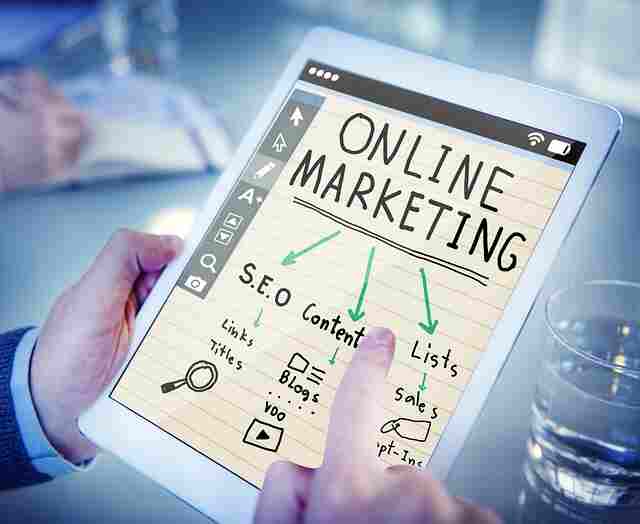
What is digital marketing?

Digital marketing is a strategy that uses digital technologies, such as the internet, social media, and mobile devices, to promote products or services to potential customers. Unlike outbound marketing, which relies on interruptive tactics like cold calling and advertising, digital marketing seeks to engage with customers in a non-intrusive and interactive way.

Digital marketing offers several benefits over traditional marketing, including greater flexibility, targeting, and measurability. With digital marketing, businesses can target specific audiences, track their campaigns in real time, and adjust their strategy as needed to achieve their marketing goals.

Benefits of digital marketing

Digital marketing provides several benefits for businesses, that includes:

Greater reach

Digital marketing allows businesses to reach a global audience quickly and easily, regardless of their location or time zone.

Targeted audience

Digital marketing methods, such as social media marketing and pay-per-click advertising, allow businesses to target specific demographics, interests, or geographic regions, ensuring that their message reaches the right audience.

Cost-effective

Digital marketing can be more cost-effective than outbound marketing methods, as it often involves less overhead and can be targeted more precisely.

Measurable results

Digital marketing methods allow businesses to track their campaigns in real time and measure the effectiveness of their marketing efforts, allowing them to adjust their strategy as needed to achieve their goals.

Greater engagement

Digital marketing methods, such as social media marketing and content marketing, can encourage greater engagement and interaction with potential customers, building relationships and brand loyalty over time.

Flexibility

Digital marketing allows businesses to adjust their strategy quickly and easily, as they can make changes to their campaigns in real time based on data and insights.

Enhanced brand recognition

Digital marketing methods, such as search engine optimization and content marketing, can help build brand recognition and awareness over time, making it easier for potential customers to find and engage with the brand.

Overall, digital marketing offers a wide range of benefits for businesses of all sizes and industries, allowing them to reach and engage with potential customers in new and innovative ways.

Examples of digital marketing tactics

Here are some examples of digital marketing tactics:

Search engine optimization (SEO)

Optimizing the content of a website and structure to improve its ranking in search engine result pages, and make it more visible to potential customers.

Pay-per-click (PPC) advertising

Advertising allows businesses to place ads on search engine results pages or other websites and pay only when someone clicks on the ad.

Social media marketing

Using social media platforms like Facebook, Twitter, and Instagram to promote a product or service and engage with potential customers.

Email marketing

Email marketing refers to sending promotional emails or newsletters to a list of subscribers.

Content marketing

Creating valuable and informative content, such as blog posts, videos, and infographics, to attract and engage potential customers.

Influencer marketing

You can also use the tactic of partnering with social media influencers to promote a product or service to their followers.

Affiliate marketing

Partnering with other businesses or individuals to promote a product or service and paying them a commission for each sale or referral.

Mobile Marketing

Using mobile devices to promote products or services through mobile applications, SMS messaging, or mobile-responsive websites.

Video Marketing

Creating videos to promote a product or service or provide valuable information to potential customers.

Podcasting

Creating audio content to engage with potential customers and promote a product or service.

These digital marketing tactics offer businesses a range of options to reach and engage with potential customers, build brand recognition and awareness, and drive conversions and sales.

Differences Between Traditional Marketing and Digital Marketing

There are several key differences between traditional marketing and digital marketing:

Reach

outbound marketing methods, such as print and television ads, may have a limited reach compared to digital marketing methods, which can reach a global audience through the internet and social media.

Cost

outbound marketing methods can be more expensive than digital marketing methods, as they may involve production costs for print and television ads, while digital marketing methods can be executed with little or no cost.

Targeting

Digital marketing methods allow for more precise targeting of specific demographics, interests, or geographic regions, while traditional marketing methods may have a broader reach but may not be as targeted.

Measurability

Digital marketing methods allow for real-time tracking and measurement of campaigns, while it can be challenging to measure the effectiveness of outbound marketing methods.

Engagement

Digital marketing methods, such as social media and content marketing, offer opportunities for greater engagement and interaction with potential customers, while outbound marketing methods may be more one-sided.

Flexibility

Digital marketing allows for greater flexibility and agility, as campaigns can be adjusted in real time based on data and insights, while outbound marketing campaigns can be more difficult to change once they are launched.

Personalization

Digital marketing methods allow for greater personalization of content and messaging based on user behavior and preferences, while outbound marketing methods are typically more generic.

Overall, while traditional marketing methods may still have a role to play in certain industries or markets, digital marketing offers several advantages in terms of reach, targeting, cost, and measurability, making it a popular choice for businesses looking to reach and engage with potential customers in today’s digital age.

Which One Should You Choose?

The choice between traditional marketing and digital marketing will depend on various factors, including the target audience, budget, industry, and marketing objectives.

If a business wants to reach a broad audience and has a large budget, outbound marketing methods such as television or print ads may be effective. On the other hand, if the target audience is younger and more tech-savvy, digital marketing methods such as social media and content marketing may be more effective.

Digital marketing also offers more precise targeting options and allows for real-time tracking and adjustment, making it a more flexible and cost-effective option for many businesses. However, outbound marketing methods can still be effective for building brand awareness and reaching audiences that may not be as digitally connected.

Ultimately, a business should consider its marketing goals, target audience, and budget when deciding whether to choose outbound marketing, digital marketing, or a combination of both. By understanding the strengths and weaknesses of each approach, a business can create a marketing strategy that effectively reaches and engages with its target audience and achieves its marketing objectives.

Conclusion

Traditional marketing and digital marketing are two distinct approaches to reaching and engaging with customers. outbound marketing methods such as print, television, and radio advertising have been around for decades and are still relevant in certain industries and markets. However, digital marketing has become increasingly popular due to the rise of the internet and social media, offering businesses a range of cost-effective and targeted options for reaching and engaging with potential customers.

Both outbound marketing and digital marketing have their strengths and weaknesses, and the choice between them will depend on various factors, including the target audience, budget, industry, and marketing objectives. Ultimately, businesses need to consider their unique needs and goals when deciding which approach to take or whether to use a combination of both.

By understanding the differences between outbound marketing and digital marketing and the benefits each approach offers, businesses can create a comprehensive marketing strategy that effectively reaches and engages with their target audience, builds brand awareness and recognition, and drives conversions and sales.


The Top 5 Must-Have Digital Marketing Tools for Small Business Owners

As a beginner in digital marketing, it can be overwhelming to know where to start. With so many different tools and platforms available, it’s hard to know which ones to use and which ones to avoid. 

In this article, we’ll take a look at the best digital marketing tools for beginners and how they can help you get started with your online marketing efforts.

What is a digital marketing tool?

A digital marketing tool refers to any software, platform, or technology that is designed to help businesses and marketers promote their products, services, or brand online. 

These tools are used to streamline and optimize various aspects of digital marketing, such as social media management, email marketing, search engine optimization (SEO), content creation, and data analytics.

Digital marketing tools encompass a wide range of software and platforms that can assist businesses with various aspects of their online marketing efforts. 

By leveraging digital marketing tools, businesses can improve their online presence, reach their target audience more effectively, and ultimately increase their revenue and ROI. The key is to identify the right tools for the specific needs of the business and use them strategically to achieve its marketing goals.

Why digital marketing tools are important for a business?

Digital marketing tools are essential for businesses because they allow them to:

Reach a wider audience

Digital marketing tools can help businesses reach a wider audience through social media, email marketing, search engine optimization, and other online channels.

Increase brand awareness

By leveraging digital marketing tools, businesses can create and distribute content that helps build brand awareness and recognition among their target audience.

Optimize marketing strategies

Digital marketing tools can provide valuable insights and analytics that help businesses understand what works and what doesn’t work in their marketing strategies. This allows them to make data-driven decisions and optimize their marketing efforts accordingly.

Save time and resources

Digital marketing tools can automate many marketing tasks, freeing up time and resources for businesses to focus on other aspects of their operations.

Improve customer engagement

Digital marketing tools can help businesses engage with their customers more effectively, providing a better overall customer experience that can lead to increased loyalty and repeat business.

Track and measure results

Digital marketing tools provide businesses with valuable data and analytics that allow them to track and measure the success of their marketing campaigns, providing insights into what’s working and what’s not.

Overall, digital marketing tools are critical for businesses to stay competitive in today’s digital landscape. By leveraging these tools, businesses can improve their marketing strategies, reach a wider audience, and ultimately increase their revenue and ROI.

Essential digital marketing tools

Keyword research tools

Keyword research is an integral part of search engine optimization (SEO) and digital marketing. Here are some keyword research tools for beginners:

Google Keyword Planner

Google Keyword Planner is a free tool offered by Google as part of its advertising platform, Google Ads. It is designed to help businesses research and identify relevant keywords and phrases related to their products or services. The tool provides data on search volume, competition, and suggested bids for paid search ads.

To use Google Keyword Planner, users must create a Google Ads account, but they are not required to run a paid advertising campaign. Once logged in, users can enter a keyword or phrase related to their business and the tool will generate a list of related keywords along with data on search volume, competition, and suggested bids for paid search ads.

The tool also offers various filtering options that allow users to refine their keyword research based on location, language, and other criteria. Additionally, users can enter a website or landing page related to their business to get keyword ideas based on the content of the page.

Ubersuggest

Ubersuggest is a keyword research tool developed by Neil Patel, a well-known digital marketer and entrepreneur. It is designed to help businesses research and identify relevant keywords and phrases related to their products or services. The tool provides data on search volume, keyword difficulty, and related keywords.

Ubersuggest offers both a free and a paid version of its tool. The free version allows users to perform up to three keyword searches per day, while the paid version provides more advanced features and unlimited keyword searches.

To use Ubersuggest, users simply enter a keyword or phrase related to their business, and the tool will generate a list of related keywords along with data on search volume, keyword difficulty, and related keywords. The tool also offers suggestions for content ideas based on the researched keywords.

Ahrefs Keywords Explorer

Ahrefs Keywords Explorer is a keyword research tool offered by Ahrefs, a popular SEO tool. It is designed to help businesses research and identify relevant keywords and phrases related to their products or services. The tool provides data on search volume, keyword difficulty, and related keywords.

One of the unique features of Ahrefs Keywords Explorer is its ability to provide data on the top-ranking pages for a particular keyword, along with data on the number of backlinks and social media shares that the pages have received. 

This can be useful for businesses looking to create content that is optimized for search engines and has a better chance of ranking higher in search results.

SEMrush

SEMrush is an all-in-one digital marketing tool designed to help businesses improve their online visibility and drive more traffic to their website. It offers a variety of features, including keyword research, competitive analysis, site audit, backlink analysis, and more.

One of the main features of SEMrush is its keyword research tool, which allows users to identify relevant keywords and phrases related to their products or services. The tool provides data on search volume, competition, and related keywords, allowing businesses to create a more effective SEO strategy.

SEMrush also offers a competitive analysis tool that allows businesses to analyze the SEO strategy of their competitors. The tool provides data on their organic search rankings, backlink profile, and more, allowing businesses to identify opportunities to improve their own SEO strategy.

Moz Keyword Explorer

Moz Keyword Explorer is a keyword research tool offered by Moz, a well-known provider of SEO tools and resources. It is designed to help businesses research and identify relevant keywords and phrases related to their products or services. The tool provides data on search volume, keyword difficulty, and related keywords, among other metrics.

One of the unique features of Moz Keyword Explorer is its “Keyword Difficulty” score, which rates how difficult it would be to rank for a particular keyword. The score takes into account factors such as the authority of the websites that currently rank for the keyword and the number of backlinks they have.

Moz Keyword Explorer also offers a “SERP Analysis” feature, which provides data on the top-ranking pages for a particular keyword, including the number of backlinks and social media shares that they have received. This can be useful for businesses looking to create content that is optimized for search engines and has a better chance of ranking higher in search results.

SEO tools

There are many SEO tools available to help businesses improve their search engine rankings and drive more traffic to their website. Following are some of the major SEO tools that can help in your work.

Google Analytics

This free tool from Google provides data on website traffic, including the number of visitors, the source of traffic, and the behavior of visitors on the website.

Google Search Console

Another free tool from Google, Search Console provides data on the performance of a website in search results, including the number of clicks and impressions for specific keywords, as well as technical information such as crawl errors and indexing status.

Ahrefs

A comprehensive SEO tool that offers features such as keyword research, competitor analysis, site audit, and backlink analysis.

SEMrush

An all-in-one digital marketing tool that offers features such as keyword research, competitive analysis, site audit, backlink analysis, social media management, advertising analysis, and content marketing tools.

Moz

Offers a range of SEO tools, including keyword research, site audit, and backlink analysis, as well as educational resources such as blogs and webinars.

Ubersuggest

A free keyword research tool that provides data on search volume, competition, and related keywords, as well as features such as site audit and backlink analysis.

Screaming Frog

A desktop tool that allows users to crawl their website and identify technical SEO issues, such as broken links and duplicate content.

These are just a few examples of the many SEO tools available to businesses. Each tool has its own strengths and weaknesses, and the best tool for a particular business will depend on its specific needs and budget. It is important to carefully research and evaluate different options before selecting a tool to use.

Email marketing tools

Email marketing tools are software or online platforms that help businesses manage their email marketing campaigns. These tools typically offer features such as email design templates, list management, automation, analytics, and tracking. Below is a list of some of the popular email marketing tools.

Mailchimp

One of the most popular email marketing tools, Mailchimp offers a range of features including email templates, list management, automation, and analytics. It also offers integrations with other tools such as social media platforms.

Constant Contact

Offers features such as email templates, list management, automation, and reporting. It also offers an easy-to-use editor that allows businesses to create visually appealing emails without any coding skills.

Sendinblue

Offers features such as email marketing automation, segmentation, and A/B testing. It also offers integrations with other tools such as CRM platforms.

AWeber

Offers features such as email templates, automation, and list segmentation. It also offers a drag-and-drop email builder that makes it easy to create visually appealing emails.

ConvertKit

Designed specifically for creators such as bloggers, podcasters, and YouTubers, ConvertKit offers features such as email automation, segmentation, and customizable opt-in forms.

GetResponse

Offers features such as email templates, automation, and list segmentation. It also offers a landing page builder and webinar features.

HubSpot

Offers a comprehensive marketing suite that includes email marketing, CRM, social media, and analytics. It also offers advanced features such as lead scoring and leads nurturing.

These are just a few examples of the many email marketing tools available to businesses. Each tool has its own strengths and weaknesses, and the best tool for a particular business will depend on its specific needs and budget. It is important to carefully research and evaluate different options before selecting a tool to use.

Social media management tools

Social media management tools are software or online platforms that help businesses manage their social media presence more effectively. These tools typically offer features such as content scheduling, social listening, analytics, and reporting. Following are some of the major social media management tools:

Hootsuite

One of the most popular social media management tools, Hootsuite offers a range of features including content scheduling, social listening, analytics, and reporting. It also offers integrations with other tools such as Google Analytics and Mailchimp.

Buffer

Offers features such as content scheduling, social listening, analytics, and reporting. It also offers a browser extension that makes it easy to share content from around the web.

Sprout Social

Offers features such as content scheduling, social listening, analytics, and reporting. It also offers advanced features such as CRM integration and team collaboration tools.

Later

Designed specifically for Instagram, Later offers features such as content scheduling, social listening, analytics, and reporting. It also offers a visual content calendar that makes it easy to plan out your Instagram feed.

CoSchedule

Offers features such as content scheduling, social listening, analytics, and reporting. It also offers a marketing calendar that allows businesses to plan out their entire marketing strategy in one place.

Agorapulse

Offers features such as content scheduling, social listening, analytics, and reporting. It also offers advanced features such as Facebook apps and social media contests.

Falcon.io

Offers a comprehensive social media management suite that includes features such as content scheduling, social listening, analytics, and reporting. It also offers team collaboration tools and integrations with other tools such as Google Analytics and Salesforce.

These are just a few examples of the many social media management tools available to businesses. Each tool has its own strengths and weaknesses, and the best tool for a particular business will depend on their specific needs and budget. It is important to carefully research and evaluate different options before selecting a tool to use.

Analytics tools

Analytics tools for digital marketing are software or online platforms that help businesses measure, analyze, and optimize their digital marketing efforts. These tools typically offer features such as website traffic analysis, conversion tracking, user behavior analysis, and reporting. Here are some popular analytics tools:

Google Analytics

One of the most popular analytics tools, Google Analytics offers a range of features including website traffic analysis, conversion tracking, and user behavior analysis. It also offers integrations with other Google tools such as Google Ads and Google Search Console.

Adobe Analytics

It offers features such as website traffic analysis, conversion tracking, and user behavior analysis. It also offers advanced features such as customer segmentation and predictive analytics.

Mixpanel

It is designed specifically for mobile and web apps, Mixpanel offers features such as user behavior analysis, event tracking, and funnel analysis. It also offers integrations with other tools such as Salesforce and Marketo.

Kissmetrics

It offers features such as user behavior analysis, conversion tracking, and cohort analysis. It also offers integrations with other tools such as Shopify and Magento.

Crazy Eggs

It offers features such as heat maps, click tracking, and user behavior analysis. It also offers A/B testing and reporting tools.

Cliky 

Clicky ffers features such as website traffic analysis, conversion tracking, and user behavior analysis. It also offers real-time data tracking and heat maps.

Piwik

Piwik offers features such as website traffic analysis, conversion tracking, and user behavior analysis. It is also an open-source tool, meaning businesses can modify and customize it to fit their specific needs.

These are just a few examples of the many analytics tools available to businesses. Each tool has its own strengths and weaknesses, and the best tool for a particular business will depend on its specific needs and budget. It is important to carefully research and evaluate different options before selecting a tool to use.

Conclusion

As a beginner in digital marketing, it’s important to have the right tools to help you get started. The tools listed above are some of the best digital marketing tools for beginners, and they can help you monitor your website’s performance, improve your search engine rankings, manage your social media accounts, and create effective content for your website and social media.

By using these tools, you can gain valuable insights into your audience, track your website’s performance, and make informed decisions about your digital marketing strategy. Whether you’re just starting out with digital marketing or you’re looking to take your marketing efforts to the next level, these tools can help you achieve your goals.

Remember, digital marketing is a field that is constantly evolving, so it’s important to stay up-to-date with the latest trends and technologies. By investing in the right tools and staying informed, you can stay ahead of the competition and achieve success in your digital marketing efforts.

In conclusion, we recommend using these digital marketing tools to help you get started with your online marketing efforts. With the right tools and strategies, you can achieve success and grow your business online.

The Importance of Digital Marketing Analytics

In the fast-paced world of digital marketing, it is essential to stay on top of your game. One of the most crucial components of this is monitoring and analyzing your marketing efforts. 

The ability to measure and analyze the data generated by your digital marketing campaigns can help you make informed decisions, optimize your strategy, and drive better results. 

In this article, we will discuss the importance of digital marketing analytics, what it is, and how it can help you take your marketing efforts to the next level.

What is Digital Marketing Analytics?

Digital Marketing Analytics refers to the practice of using data analysis tools and techniques to measure the performance of digital marketing campaigns. This includes the collection, analysis, and interpretation of data from various digital marketing channels such as websites, social media, email, mobile apps, and search engines. 

The primary goal of digital marketing analytics is to gain insights into customer behavior, measure the effectiveness of marketing campaigns, and optimize strategies to achieve desired business objectives. 

Some common metrics used in digital marketing analytics include website traffic, click-through rates, conversion rates, customer acquisition cost, and customer lifetime value. 

By leveraging digital marketing analytics, businesses can make data-driven decisions and continuously improve their marketing efforts to increase their online visibility, attract more customers, and ultimately drive revenue growth.

How does it work?

Digital Marketing Analytics works by using various tools and techniques to collect and analyze data from digital marketing campaigns. The process of digital marketing analytics typically involves the following steps:

Set goals

The first step in digital marketing analytics is to define clear and measurable goals for your campaigns. These digital marketing goals must be aligned with the overall business objectives and it should be specific, measurable, achievable, relevant, and time-bound.

Collect data

Once you have set your goals, you need to collect data from various digital marketing channels such as your website, social media platforms, email campaigns, mobile apps, and search engines. 

You can use tools such as Google Analytics, Adobe Analytics, or other third-party tools to track user behavior, pageviews, conversion rates, and other relevant metrics.

Analyze data

Once you have collected the data, you need to analyze it to gain insights into customer behavior, campaign performance, and opportunities for optimization. This can involve using data visualization tools, statistical analysis, and machine learning algorithms to identify patterns, trends, and correlations in the data.

Optimize campaigns

Based on the insights gained from data analysis, you can make data-driven decisions to optimize your digital marketing campaigns. This might involve tweaking your ad targeting, adjusting your messaging, or improving the user experience on your website.

Measure results

Finally, you need to measure the results of your campaigns to see if you have achieved your goals. This involves comparing your actual performance against your desired performance and using the insights gained to refine your marketing strategies going forward.

By following these steps, businesses can use digital marketing analytics to improve their marketing campaigns and achieve their business objectives more effectively.

Why is it important for businesses to use digital marketing analytics?

Digital marketing analytics is important for businesses for several reasons:

To measure campaign effectiveness

By using digital marketing analytics, businesses can measure the effectiveness of their campaigns in real time. They can track metrics such as website traffic, click-through rates, conversion rates, and revenue, and adjust their campaigns accordingly.

To optimize campaigns

Digital marketing analytics allows businesses to identify areas of their campaigns that are underperforming, and make data-driven decisions to optimize their campaigns. This can involve adjusting their messaging, targeting, or ad spending to improve their return on investment.

To understand customer behavior

By analyzing data from digital marketing campaigns, businesses can gain insights into customer behavior, preferences, and needs. This can help them tailor their marketing efforts to better meet the needs of their target audience.

To make informed decisions

Digital marketing analytics provides businesses with the data they need to make informed decisions about their marketing strategies. This can help them identify opportunities for growth, understand market trends, and stay ahead of the competition.

To achieve business objectives

By using digital marketing analytics to measure the effectiveness of their campaigns, businesses can ensure that they are on track to achieve their business objectives. This can include increasing revenue, improving customer engagement, or growing their customer base.

Overall, digital marketing analytics is an essential tool for businesses that want to optimize their digital marketing campaigns, gain insights into customer behavior, and achieve their business objectives more effectively.

Benefits of Digital Marketing Analytics

There are many benefits of digital marketing analytics for businesses:

Improved decision-making

Digital marketing analytics provides businesses with data-driven insights that help them make more informed decisions about their marketing strategies. This can help businesses optimize their campaigns, improve their targeting, and better understand their customers’ needs.

Increased ROI

By tracking metrics such as website traffic, conversion rates, and revenue, businesses can identify areas of their campaigns that are underperforming and make data-driven decisions to optimize their campaigns. This can lead to an increase in return on investment (ROI).

Better customer understanding

Digital marketing analytics allows businesses to gain insights into customer behavior, preferences, and needs. This can help them tailor their marketing efforts to better meet the needs of their target audience and improve customer engagement.

Competitive advantage

By using digital marketing analytics to stay ahead of the competition, businesses can identify market trends, monitor their competitors, and adjust their strategies accordingly.

Real-time monitoring

Digital marketing analytics provides businesses with real-time monitoring of their campaigns, allowing them to quickly identify issues and adjust their strategies accordingly.

Cost-effective

Digital marketing analytics is a cost-effective way to measure the effectiveness of marketing campaigns. By using data to optimize campaigns, businesses can reduce their marketing costs and improve their ROI.

Continuous improvement

Digital marketing analytics allows businesses to continuously improve their marketing efforts, by making data-driven decisions to optimize their campaigns and achieve their business objectives more effectively.

Overall, digital marketing analytics is an essential tool for businesses that want to improve their marketing efforts, gain insights into customer behavior, and achieve their business objectives more effectively.

Key Metrics to Track in Digital Marketing Analytics

There are several key metrics that businesses should track in digital marketing analytics to measure the effectiveness of their campaigns and make data-driven decisions:

Website Traffic

This metric measures the number of visitors to a website. By tracking website traffic, businesses can identify trends in user behavior and see how changes to their marketing strategies affect website visits.

Conversion rate

This metric measures the percentage of visitors to a website who take a desired action, such as making a purchase or filling out a contact form. By tracking conversion rates, businesses can identify areas of their website or marketing funnel that are underperforming and make data-driven decisions to optimize their conversion rates.

Click-through rate (CTR)

This metric measures the percentage of people who click on a link or call-to-action (CTA) in an advertisement or email. By tracking CTRs, businesses can identify the effectiveness of their messaging and targeting and make data-driven decisions to improve CTRs.

Cost per acquisition (CPA)

Cost per acquisition measures the cost of acquiring a new customer. By tracking CPA, businesses can identify which marketing channels and campaigns are most effective and adjust their marketing spend accordingly.

Customer lifetime value (CLV)

This metric measures the total value that a customer brings to a business over the course of their relationship. By tracking CLV, businesses can identify which customers are most valuable and make data-driven decisions to improve customer retention and acquisition.

Return on investment (ROI)

This metric measures the return on investment of a marketing campaign. By tracking ROI, businesses can identify which campaigns are most effective and make data-driven decisions to optimize their marketing spend and improve their ROI.

Social media engagement

This metric measures the level of engagement on social media platforms, such as likes, shares, and comments. By tracking social media engagement, businesses can identify which content marketing is most engaging and make data-driven decisions to improve their social media marketing efforts.

By tracking these key metrics in digital marketing analytics, businesses can make data-driven decisions to optimize their marketing strategies and achieve their business objectives more effectively.

Challenges in Digital Marketing Analytics

While digital marketing analytics offers many benefits to businesses, there are also several challenges that organizations may face:

Data overload

With so much data available, it can be challenging for businesses to identify the most relevant metrics and make data-driven decisions.

Lack of data quality: Poor data quality can lead to inaccurate insights and decisions. Data may be incomplete, outdated, or inconsistent, making it difficult to draw accurate conclusions.

Difficulty in measuring offline impact

While digital marketing analytics can provide insights into online customer behavior, it may be more challenging to measure the impact of offline marketing efforts on customer behavior.

Limited visibility into customer behavior: Even with sophisticated tracking tools, it can be difficult to gain a complete picture of customer behavior, as customers may interact with a business in multiple channels and touchpoints.

Technology and infrastructure challenges

Setting up and maintaining the necessary infrastructure to collect and analyze data can be costly and time-consuming. Additionally, integrating data from multiple sources can be challenging.

Lack of skilled personnel

Analyzing digital marketing data requires specialized skills, which may not be available within an organization. This can make it challenging to make sense of the data and translate it into actionable insights.

Constantly evolving technology

Digital marketing technology is constantly evolving, which can make it challenging for businesses to keep up with the latest tools and trends.

By being aware of these challenges, businesses can take steps to address them and make the most of their digital marketing analytics efforts. This may involve investing in data quality measures, hiring skilled personnel, and staying up-to-date with the latest technology and trends in digital marketing.

Best Practices for Digital Marketing Analytics

Here are some best practices for digital marketing analytics that businesses can follow to make the most of their data:

Define clear business objectives

Before starting any digital marketing campaign, it is important to define clear business objectives that can be measured with data. The digital marketing objectives should be specific, measurable, and time-bound.

Choose the right metrics

Select metrics that are most relevant to the defined business objectives. Avoid tracking too many metrics, as it can lead to information overload and make it difficult to identify meaningful insights.

Use a single source of truth

Use a single source of truth for data to ensure consistency and accuracy. This can be achieved by integrating data from various sources and platforms to create a centralized and comprehensive data repository.

Clean and validate data

Ensure data is clean and validated before analysis to ensure accuracy and avoid any inconsistencies in the results.

Implement tracking codes and tags

Implement tracking codes and tags to collect data about customer behavior across various digital touchpoints, such as websites, emails, and social media.

Analyze and interpret data

Use data analysis tools and techniques to identify patterns, trends, and insights. Interpret the results and use them to inform data-driven decisions.

Optimize campaigns

Use the insights from data analysis to optimize digital marketing campaigns. This can involve making changes to messaging, targeting, and channels to improve performance.

Monitor results regularly

Regularly monitor campaign results and metrics to identify trends and make data-driven decisions to improve performance.

Communicate insights and results

Share data insights and results with stakeholders to ensure alignment and transparency.

By following these best practices, businesses can leverage the power of digital marketing analytics to optimize their campaigns and achieve their business objectives.

Conclusion

Digital marketing analytics is a powerful tool that can help you take your marketing efforts to the next level. By tracking your marketing metrics and analyzing the data generated by your campaigns, you can gain insights into your audience, optimize your strategy, and make informed decisions. With the right tools and techniques, digital marketing analytics can help you achieve better results and stay ahead of the competition.

In conclusion, digital marketing analytics is an essential part of any digital marketing strategy. It provides valuable insights into your audience and their behavior, helps you optimize your marketing campaigns, and enables you to make data-driven decisions. 

By investing in digital marketing analytics, you can gain a competitive advantage and achieve your marketing goals more efficiently.

Maximize Your Online Visibility: The Ultimate Guide to Digital Marketing SEO

Are you looking to improve your website’s search engine rankings and drive more organic traffic to your website? Look no further, as this comprehensive guide to digital marketing SEO has got you covered.

What is SEO?

SEO stands for Search Engine Optimization, which is the practice of optimizing a website or web page to increase its visibility and ranking on search engines, such as Google, Bing, and Yahoo. 

The goal of SEO is to improve the organic (unpaid) search results of a website by making it more attractive to search engines, which can be accomplished by using techniques such as keyword research, content optimization, link building, and technical optimization. 

The higher a website ranks on search engine results pages (SERPs), the more likely it is to receive organic traffic, which can lead to higher visibility, more visitors, and potentially more business or conversions.

Importance of SEO in Digital Marketing

SEO is an important part of digital marketing because it helps websites and web pages rank higher in search engine results pages, which can lead to increased visibility, traffic, and conversions. Here are some of the key benefits of SEO in digital marketing:

Increased Visibility: 

The higher a website ranks on SERPs, the more likely it is to be seen by potential customers, which can result in increased traffic and brand exposure.

Cost-Effective: 

SEO is a cost-effective way to reach potential customers, as compared to other forms of paid advertising, like PPC.

Better User Experience: 

By optimizing websites and web pages for search engines, businesses can improve the overall user experience, making it easier for users to find the information they’re looking for, and ultimately, increasing the likelihood of conversions.

Long-Term Results: 

Unlike paid advertising, the benefits of SEO are long-lasting and can continue to generate organic traffic and leads for years to come.

Increased Credibility: 

Websites that rank well on search engines are often perceived as more credible and trustworthy, which can help to build a strong brand and increase customer loyalty.

Overall, SEO is an essential part of digital marketing because it helps businesses to reach potential customers and increase their online visibility, traffic, and conversions.

Types of SEO

Search engine optimization, or SEO, is a crucial aspect of digital marketing that helps websites rank higher in search engine results pages (SERPs). This, in turn, drives more traffic to the website, leading to increased visibility and better conversion rates. 

To achieve this, there are various types of SEO techniques that can be used.

On-page Optimization

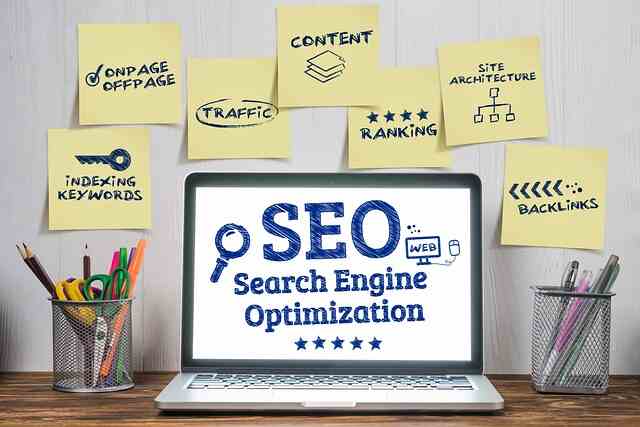
On-page SEO basically refers to the optimization of an individual web page to rank higher and earn more relevant traffic. This type of SEO involves optimizing elements on a webpage, including the content, HTML source code, images, and videos. 

Some of the key on-page optimization techniques involves the following:

Keyword optimization: 

This involves including relevant keywords in the page title, meta description, header tags, and body content.

Content optimization: 

This involves creating high-quality, original content that is both user-friendly and search-engine-friendly.

URL structure optimization: 

This involves using descriptive and concise URLs that are easy to read and remember.

Image optimization: 

This involves using descriptive file names and alt tags for images and compressing images to reduce file size and improve loading speed.

Title tag: 

This is the title of a webpage that appears in the search engine results. The title tag should be descriptive, concise, and include relevant keywords.

Meta Description: 

This is a brief description of a webpage that appears in search engine results. The meta description should be written to entice clicks and accurately reflect the content of the page.

Headings: 

Headings (H1, H2, H3, etc.) are used to structure the content of a webpage and signal to search engines the importance of different sections of content.

Internal linking: 

Internal links help search engines understand the structure of a website and the relationships between different pages.

Mobile optimization: 

With the increasing number of searches being performed on mobile devices, it’s crucial for websites to be mobile-friendly and provide a good user experience on smaller screens.

These are just a few of the many factors that contribute to on-page SEO, and it’s important to continuously monitor and adjust these elements to stay ahead of the competition and rank well in search engine results.

Off-page Optimization

Off-page SEO refers to optimizing elements outside your website that can affect your search engine rankings. These techniques are aimed at increasing the visibility and credibility of a website in the eyes of search engines and users. 

This type of SEO involves the creation of backlinks, social media presence, and online reputation management. Some of the key off-page optimization techniques involve the following:

Backlink building: 

This involves acquiring high-quality backlinks from other websites, which serve as a “vote of confidence” from those sites.

Social media presence: 

This involves creating and maintaining a presence on various social media platforms, such as Facebook, Twitter, and Instagram.

Online reputation management: 

This involves monitoring and managing your online reputation, including your brand’s mentions and reviews.

Social media marketing: 

This refers to promoting your content and website on social media platforms. Having a strong social media presence can increase brand awareness and drive traffic to your site.

Influencer marketing: 

This refers to partnering with influential individuals in your niche to promote your content and website. This can help you reach a new audience and increase your visibility in search engine results.

Content marketing: 

This refers to creating and distributing high-quality, valuable content that attracts and retains a clearly defined audience — and, in the process, drives profitable customer action.

Local SEO: 

This refers to optimizing your website for local search terms to increase its visibility in local search results.

Off-page SEO is an important aspect of overall search engine optimization, as it helps search engines to understand the context and relevance of your website. However, it’s important to note that off-page SEO techniques should be used in conjunction with on-page optimization techniques for the best results.

Technical SEO

Technical SEO refers to the optimization of the technical aspects of your website, including the architecture, coding, and structure. It is the optimization of a website’s technical infrastructure and architecture to improve its visibility and ranking in search engines like Google. 

It encompasses a wide range of practices aimed at making a website more search engine friendly.

This type of SEO involves the optimization of elements such as the website’s loading speed, mobile compatibility, and security. Some of the key technical optimization techniques include:

URL Structure: 

Optimizing the URL structure of your website makes it easier for search engines to crawl your site and understand its content.

Sitemap & Robots.txt: 

Creating a sitemap and using a robots.txt file helps search engines discover the pages on your site and understand how they should be indexed.

Page Speed: 

A fast-loading website provides a better user experience and can help improve your search engine rankings.

Schema Markup: 

Using schema markup helps search engines understand the content on your website and can lead to rich snippets appearing in search results.

Secure Sockets Layer (SSL) Certificate: 

Implementing an SSL certificate can help secure the connection between your website and its visitors and can improve your search engine rankings.

Website speed optimization: 

This involves improving the loading speed of your website, as slow loading times can negatively impact user experience and search engine rankings.

Mobile compatibility: 

This involves ensuring that your website is mobile-friendly and can be easily accessed and navigated on mobile devices.

Security optimization: 

This involves implementing security measures such as SSL certificates to ensure the protection of sensitive user data.

In short, Technical SEO is an essential aspect of optimizing your website for search engines, and it plays a critical role in improving your website’s visibility, ranking, and overall online performance.

Analytics and Reporting

Analytics and reporting are necessary in SEO because they provide valuable insights into the effectiveness of your SEO strategy and help you make informed decisions about how to improve your website’s search engine rankings. Here are some key reasons why analytics and reporting are important in SEO:

Measurement and tracking: 

Analytics tools allow you to track key metrics such as website traffic, search engine rankings, and conversions, which are essential in measuring the success of your SEO efforts.

Identifying Trends and Opportunities: 

By analyzing your website’s traffic patterns, you can identify trends and opportunities to improve your SEO, such as which keywords are driving the most traffic or which pages need optimization.

Monitoring Competitors: 

With the help of analytics tools, you can monitor the performance of your competitors and see how your website compares in terms of rankings, traffic, and conversions.

Identifying Technical Issues: 

Analytics tools can help you identify technical issues on your website, such as broken links, crawl errors, and slow page speeds, which can negatively impact your search engine rankings.

Evaluating the Effectiveness of Changes: 

With analytics and reporting, you can evaluate the effectiveness of changes you make to your website, such as updating content, optimizing pages, or adding new features, and determine which changes are having the greatest impact on your search engine rankings.

In summary, analytics, and reporting play a crucial role in SEO by providing valuable data and insights that help you make informed decisions and improve your website’s search engine performance over time.

Future of SEO in Digital Marketing

The future of SEO in digital marketing is constantly evolving as technology and user behavior change. Here are some trends that are shaping the future of SEO:

Artificial Intelligence: 

Artificial intelligence is rapidly changing the landscape of SEO and will continue to do so in the future. AI algorithms can analyze large amounts of data to identify patterns and make predictions, which will play a crucial role in search engine ranking algorithms.

Voice Search Optimization: 

With the growing popularity of voice-controlled devices such as Amazon Alexa and Google Home, optimizing for voice search will become increasingly important in the future of SEO. This will involve using natural language keywords and providing concise, accurate information in response to voice search queries.

Mobile Optimization: 

With the increasing use of mobile devices for accessing the web, mobile optimization will continue to be a crucial aspect of SEO in the future. This includes ensuring that websites are responsive, have fast load times, and are easy to navigate on smaller screens.

Structured Data and Schema Markup: 

Schema markup and structured data will become more important in the future of SEO, as search engines use this information to better understand the content on a website and provide more relevant results to users.

User Experience: 

User experience (UX) will become a key factor in the future of SEO, as search engines place a greater emphasis on the quality of the experience that a website provides to its users. This includes aspects such as page load speed, ease of navigation, and accessibility.

Video Content: 

Video content is growing in popularity, and its importance in SEO is expected to increase in the future. Video content can help increase engagement and provide a more comprehensive representation of a brand or product.

Local SEO: 

Local SEO will continue to be an important aspect of SEO in the future, as search engines strive to provide more relevant and localized results to users. This includes optimizing for local keywords and ensuring that business information, such as the address and phone number, is accurate and consistent across all platforms.

The future of SEO in digital marketing is constantly evolving and will continue to change as technology and user behavior change. Staying up-to-date with these trends and incorporating them into your SEO strategy will help ensure the success of your online marketing efforts in the future.

Conclusion

The ultimate guide to digital marketing SEO provides a comprehensive overview of the key concepts and best practices involved in optimizing a website for search engines. From understanding the role of keywords and link building to implementing mobile optimization and measuring the success of your efforts with analytics and reporting, this guide covers all the essential elements of a successful SEO strategy.

It’s important to keep in mind that SEO is an ongoing process, and it requires constant monitoring, testing, and improvement. The algorithms used by search engines are constantly changing, and user behavior is also evolving, so it’s important to stay up-to-date with the latest trends and best practices in SEO.

By following the principles outlined in this guide and continuously monitoring and refining your SEO strategy, you can increase your website’s visibility, improve your search engine rankings, and drive more organic traffic to your site.

You may also like to read

Unlock the Secrets of Content Marketing: A Complete Guide for Mastery

7 Proven Digital Marketing Strategies for Small Businesses

Unlock the Secrets of Content Marketing: A Complete Guide for Mastery

Content marketing is a crucial aspect of digital marketing that can help you reach your target audience, engage with them, and build a loyal customer base. The goal of content marketing is to educate, inform, and entertain your audience while promoting your brand, products, or services. 

In this comprehensive guide, we will cover everything you need to know to master the art of content marketing and help you drive more traffic, leads, and sales to your website.

Definition of Content Marketing

Content marketing is the process of creating, publishing, and distributing content that is relevant and valuable to your target audience. The purpose of content marketing is to build a relationship with your audience and establish your brand as a trusted and credible source of information. Content can come in many forms, including blog posts, videos, podcasts, infographics, and more.

One of the key benefits of content marketing is that it helps you build trust with your audience. When your audience sees that you are providing valuable and helpful information, they are more likely to view your brand as a trusted source of information. This trust can then be leveraged to drive more sales and conversions.

Importance of Content Marketing in the digital age

Content marketing is important in today’s digital age because it allows companies to connect with their target audience and build trust through valuable, relevant, and consistent content. It helps establish a brand’s thought leadership, drives website traffic and leads, and supports SEO efforts. 

Additionally, it provides a means of differentiating a brand from competitors and delivering a better customer experience. By providing consumers with the information they seek, content marketing can improve customer engagement and build a loyal following.

How to Develop your Content Marketing Strategy?

Before you start creating content, it is important to develop a content marketing strategy. A content marketing strategy should outline your goals, target audience, and the types of content you will create. It should also include a plan for how you will distribute and promote your content to reach your target audience.

When developing your content marketing strategy, it is important to understand your target audience and what type of content they are interested in. This can be done by conducting market research, analyzing your website traffic data, and engaging with your audience on social media. Once you have a clear understanding of your target audience, you can tailor your content marketing strategy to meet their needs and interests.

Understanding Your Target Audience

Understanding the target audience is necessary in content marketing because it allows marketers to tailor their content to the specific needs, interests, and pain points of their intended audience. This enables the creation of content that resonates with the target audience and drives engagement.

Moreover, a deep understanding of the target audience enables marketers to create content that addresses their specific problems, questions, and interests, increasing the likelihood that they will find it valuable and relevant. This, in turn, can increase brand awareness and credibility, leading to increased website traffic, lead generation, and conversions.

Furthermore, by understanding the target audience, marketers can also identify the most effective channels and platforms to distribute their content, ensuring it reaches the intended audience and maximizing its impact.

In summary, understanding the target audience is a critical aspect of content marketing as it enables marketers to create content that truly resonates and delivers value, increasing the chances of success.

How to research your target audience?

Researching your target audience can be done through several methods, including:

  1. Surveys and questionnaires: These can be used to gather information directly from your target audience and learn about their needs, interests, behaviors, and preferences.
  1. Analytics and data: Analyze existing customer data and website analytics to gain insights into your target audience’s demographics, location, and online behavior.
  1. Social media listening: Use social media monitoring tools to track and analyze conversations about your brand and industry, and gain insight into your target audience’s opinions and preferences.
  1. Competitor research: Study your competitors and their target audience to gain insights into your own target audience’s needs and behaviors.
  1. Customer interviews and focus groups: Speaking directly with customers through interviews or focus groups can provide valuable insights into their motivations, preferences, and pain points.
  1. Online forums and communities: Observe online communities and forums related to your industry or product to see what questions, issues, and topics your target audience is discussing.

By combining these methods and analyzing the information gathered, you can build a comprehensive picture of your target audience, including their demographics, preferences, behaviors, and pain points. This information can then be used to guide your content marketing strategy and ensure that your content resonates with and is valuable to your target audience.

Setting Objectives and Goals

Setting objectives and goals is necessary for content marketing because it provides focus and direction for your content marketing efforts. It helps ensure that your content marketing efforts are aligned with your overall business strategy and objectives and that you are investing your resources in the right areas.

Having clear objectives and goals also enables you to measure and track your progress, determine what’s working and what’s not, and make data-driven decisions about future content marketing efforts. This leads to better accountability and decision-making and allows you to continually improve and optimize your content marketing efforts over time.

In addition, having specific and measurable objectives and goals helps you prioritize your efforts and allocate resources effectively, ensuring that your content marketing efforts are making the greatest impact. It also helps you communicate the value of your content marketing efforts to stakeholders and demonstrate the return on investment.

In conclusion, setting objectives and goals for content marketing is essential for ensuring that your efforts are focused, aligned with your business strategy, and delivering the desired results.

Aligning content marketing goals with overall business strategy

Aligning content marketing goals with overall business strategy involves integrating your content marketing efforts into your overall business strategy and objectives. This means considering how content marketing can support and advance your business goals, and then setting content marketing goals that align with and support those business goals.

For example, if your overall business goal is to increase sales, your content marketing goals might include generating leads, educating potential customers about your product or service, and building brand awareness.

Prepare a Content Strategy

To find the types of content that will resonate with your target audience and support your business goals, you can consider the following:

  1. Know your target audience: Understand their interests, needs, pain points, and preferences to determine what type of content they are likely to find valuable and engaging.
  1. Conduct market research: Analyze your competitors’ content and see what’s working well for them. Use tools like Google Trends, Keyword Planner, and Social Media Analytics to see what topics are trending and what your target audience is searching for online.
  1. Monitor your audience’s behavior: Keep track of the types of content that receive the most engagement, comments, and shares on your social media channels and website. You can use this information to inform your content strategy.
  1. Stay up-to-date with industry trends: Stay informed about the latest trends and developments in your industry and use this knowledge to create content that is relevant and valuable to your target audience.
  1. Utilize data and analytics: Use data and analytics to understand what type of content performs best and to inform your content strategy. Track the performance of different types of content and adjust your strategy accordingly.
  1. Experiment and iterate: Don’t be afraid to experiment with different types of content and formats to see what works best. Continuously evaluate and adjust your content strategy based on the results you see.

By following these steps, you can determine the types of content that are most likely to resonate with your target audience and support your business goals, and you can use this information to develop a content strategy that is effective and aligned with your overall business objectives.

Content Creation and Optimization

To create high-quality, valuable content that is optimized for search engines and incorporates visuals and multimedia, you can follow these steps:

  1. Define your target keywords: Use tools like Google Keyword Planner and SEMrush to identify keywords and phrases that are relevant to your business and that your target audience is searching for online. Incorporate these keywords into your content to optimize it for search engines.
  1. Focus on quality and relevance: Ensure that your content is well-researched, well-written, and relevant to your target audience. High-quality content is more likely to be shared, linked to, and ranked higher in search engine results.
  1. Incorporate visuals and multimedia: Use images, videos, infographics, and other forms of multimedia to enhance the value and appeal of your content. This can help to break up long blocks of text, make complex information easier to understand and make your content more visually appealing.
  1. Optimize visuals and multimedia: Ensure that your visuals and multimedia are optimized for search engines by using descriptive file names, alt tags, and captions.
  1. Use structured data: Incorporate structured data into your content to help search engines understand what your content is about and how it should be displayed in search engine results. This can help to improve your visibility and click-through rates in search results.
  1. Promote your content: Share your content on social media, in online communities and forums, and through other distribution channels to help it reach a wider audience and attract more links and engagement.
  1. Continuously evaluate and adjust: Regularly review the performance of your content and make changes as necessary to improve its relevance, quality, and search engine optimization.

By following these steps, you can create high-quality, valuable content that is optimized for search engines and incorporates visuals and multimedia to engage and inform your target audience, attract more traffic and engagement, and support your business goals.

Content Promotion and Distribution

Content promotion and distribution are necessary because they help to ensure that your content reaches your target audience and has the desired impact. Here are some reasons why content promotion and distribution is important:

  1. Reach a wider audience: Content promotion and distribution can help you reach a wider and more diverse audience, beyond the people who already follow your brand or are subscribed to your content.
  1. Drive traffic and engagement: By promoting your content through various channels, you can drive more traffic to your website and encourage more engagement with your content, such as comments, shares, and links.
  1. Build brand awareness: Promoting your content can help to build brand awareness and establish your brand as a thought leader in your industry.
  1. Generate leads: Content promotion and distribution can help to generate leads by attracting more potential customers to your website and encouraging them to take action, such as filling out a form or making a purchase.
  1. Improve search engine rankings: Promoting your content can help to attract more links and engagement, which can improve your search engine rankings and make it easier for people to find your content through search engines.
  1. Maximize the impact of your content: Content promotion and distribution can help to maximize the impact of your content by ensuring that it reaches the right people, at the right time, and through the right channels.

Overall, content promotion and distribution are important components of a successful content marketing strategy, as they help to ensure that your content reaches your target audience, generates the desired results, and supports your business goals.

Measuring Results and Refining Strategy

Measuring results and refining your strategy in content marketing is critical to ensuring the success and sustainability of your content marketing efforts. Here are some steps you can follow to measure results and refine your strategy:

  1. Set clear metrics: Define clear and measurable goals for your content marketing efforts, such as website traffic, leads generated, engagement metrics, and conversion rates. This will help you to track and measure the impact of your content marketing efforts over time.
  1. Use analytics tools: Use analytics tools such as Google Analytics, SEMrush, or Moz to track and analyze the performance of your content marketing efforts. These tools can help you to measure website traffic, audience demographics, bounce rates, and other key metrics.
  1. Track engagement metrics: Track engagement metrics such as likes, shares, comments, and click-through rates to get a better understanding of how people are interacting with your content.
  1. Conduct regular audits: Conduct regular audits of your content marketing efforts to identify areas for improvement. This may include reviewing your content mix, audience targeting, and distribution channels, among other things.
  1. Refine your strategy: Based on the insights and data you gather from your analysis and audits, refine your content marketing strategy to improve performance, reach new audiences, and achieve your goals more effectively.
  1. Continuously evaluate and adjust: Continuously evaluate and adjust your content marketing efforts based on the results you are achieving. Regularly review your metrics and performance, and make changes to your strategy as necessary to ensure that you are achieving your goals and maximizing the impact of your content marketing efforts.

By following these steps, you can measure the results of your content marketing efforts, gain insights into what is working and what is not, and refine your strategy to ensure that you are making the most of your content marketing efforts and supporting your business goals.

Conclusion

In conclusion, content marketing is a crucial component of any successful digital marketing strategy. By understanding your target audience, setting clear objectives and goals, preparing a content strategy, creating high-quality and optimized content, promoting and distributing your content effectively, and measuring your results, and refining your strategy, you can master the art of content marketing and achieve your business goals.

By following this comprehensive guide, you can create a content marketing strategy that is tailored to your business, reaches your target audience, generates results, and supports your overall marketing and business objectives. 

With consistent effort, dedication, and a focus on delivering value to your target audience, you can become a successful content marketer and see real, measurable results for your business.

You may also like to read

Top 7 email marketing tools – Email marketing tools that can make your campaign better

How to Become a Copywriter in 2022 – A Step by Step Guide

7 Proven Digital Marketing Strategies for Small Businesses

As a small business owner, it can be difficult to compete with larger companies in terms of marketing and advertising. However, with the rise of digital marketing, small businesses now have the opportunity to level the playing field and reach a wider audience. 

In this article, we will discuss 10 proven digital marketing strategies that small businesses can use to increase their visibility, reach, and ultimately drive more sales.

What is digital marketing?

Digital marketing is the process of promoting products, services, or brands through electronic media, such as the internet, social media, email, and mobile apps. It uses a variety of techniques, such as search engine optimization (SEO), pay-per-click advertising (PPC), content marketing, and social media marketing, to reach and engage with customers. The goal of digital marketing is to increase brand awareness, generate leads, and drive sales.

Why it’s important for small businesses to have a strong digital presence?

In today’s digital age, having a strong online presence is essential for any business, big or small. In fact, a recent study found that almost 90% of consumers research products and services online before making a purchase. With that in mind, it’s clear that small businesses need to invest in building a strong digital presence in order to stay competitive and attract new customers.

But what exactly is a “digital presence,” and why is it so important for small businesses? A digital presence refers to the ways in which a business can be found and interacted with online, including through websites, social media accounts, and online directories. By building a strong digital presence, small businesses can increase their visibility and reach, attract new customers, and ultimately, drive sales and revenue.

Digital Marketing Strategies for Small Businesses

Develop a Strong Website

Having a professional, user-friendly website is important for a number of reasons. First, it helps establish credibility and trust with potential customers or clients. A well-designed website that is easy to navigate and provides useful information can make a good first impression, which can be crucial in convincing someone to do business with you.

Second, a user-friendly website can improve the overall user experience, making it more likely that people will stay on your site and explore what you have to offer. This can increase the chances of them taking a desired action, such as making a purchase or filling out a contact form.

Third, a professional website can make it easier for customers or clients to find the information they need. A site that is easy to navigate and has a clear structure can help people quickly find what they are looking for, which can save them time and improve their overall experience.

Finally, having a professional website can help you stand out from the competition. With so many businesses having an online presence, it’s important to have a website that stands out and makes a strong impression. A well-designed, user-friendly website can help you achieve that.

How can you create an effective website?

Here are a few tips for creating an effective website:

Keep it simple: A clean and simple design can make it easier for visitors to navigate your site and find what they are looking for. Avoid clutter and stick to a simple color scheme and layout.

Make it mobile-friendly: More and more people are using their mobile devices to access the internet, so it’s important to make sure your website is optimized for mobile. This means using a responsive design that automatically adjusts to different screen sizes.

Use clear and concise language: Use clear, concise language and avoid jargon or technical terms that may be confusing to some visitors.

Optimize for search engines: Make sure your website is optimized for search engines by including relevant keywords in your content and meta tags, and by having a clear and logical website structure.

Include a call-to-action: Encourage visitors to take a desired action, such as making a purchase or filling out a contact form, by including a clear and prominent call-to-action on your website.

Make it fast: People expect websites to load quickly, so make sure your website is optimized for speed by compressing images, using a Content Delivery Network (CDN) and limiting the number of plugins and scripts.

Test and refine: Test your website with a variety of users and devices, and use the feedback you receive to refine and improve it over time.

 Utilize Search Engine Optimization (SEO)

SEO stands for Search Engine Optimization. It is the process of optimizing a website to improve its visibility and ranking in search engine results pages (SERPs). By making certain changes to the website, the website can rank higher in search results, which can drive more traffic to the website, and ultimately increase the business revenue.

SEO is important for small businesses because it can help level the playing field against larger and more established competitors. SEO can help small businesses establish a web presence and reach a broader audience, which can be crucial for reaching new customers and growing the business.

Additionally, SEO can be a cost-effective way to drive traffic to a website. Unlike paid advertising methods such as Google Adwords, SEO can help your website rank higher in organic search results, which can lead to more clicks and more customers without the need to pay for each click.

SEO also helps build trust with customers. When a customer sees a website on the first page of a search engine, they assume that the website is a credible and trustworthy source of information.

In summary, SEO is important for small businesses because it can help them reach a larger audience, increase their online visibility, and establish credibility, all without the need for a large advertising budget.

Leverage Social Media

There are many different social media platforms that small businesses can use to reach and engage with customers, each with its own unique set of features and potential uses. Some of the most popular social media platforms include:

Facebook: 

Facebook is one of the most widely used social media platforms and is a great way for small businesses to connect with customers, share updates, and build a community around their brand.

Twitter: 

Twitter is a microblogging platform that allows small businesses to share updates, news, and information in short, concise messages. It’s a great way to engage with customers in real time and build a following.

Instagram: 

Instagram is a visual-based platform that is great for small businesses that want to showcase their products or services through photos and videos. It is also a great way to build a community around a brand and connect with influencers.

LinkedIn: 

LinkedIn is a professional networking platform that is great for small businesses that want to connect with other businesses and professionals in their industry. It’s also a great platform for recruiting and building a professional network.

TikTok: 

TikTok is a short-form video platform that is great for small businesses that want to connect with a younger audience. It’s a great way to showcase products or services in a fun and creative way.

Pinterest: 

Pinterest is a visual-based platform that is great for small businesses that want to showcase their products or services in a creative and engaging way. It’s also a great way to generate traffic to a website through the use of pins.

YouTube: 

YouTube is a video-based platform that is great for small businesses that want to create and share videos about their products or services. It’s a great way to generate traffic to a website and build a following.

These are just a few examples, but there are many more social media platforms available, each with their own unique features and potential uses. The key is to find the platforms that will work best for your small business and build a presence on them.

Create Valuable Content

Creating valuable content is important for small business marketing because it helps establish credibility and trust with potential customers or clients. By providing valuable and informative content, small businesses can demonstrate their expertise and authority in their field, which can help to build trust and confidence in their brand.

Valuable content can also help to attract and engage with potential customers. By providing informative, helpful, or entertaining content, small businesses can capture the attention of their target audience and encourage them to spend more time on their website or social media pages. This can increase the chances of them taking a desired action, such as making a purchase or filling out a contact form.

Creating valuable content can also help small businesses improve their visibility in search engines. By regularly creating and publishing high-quality, relevant content on their website or blog, small businesses can improve their search engine rankings and drive more traffic to their site. This can help to increase their online visibility and reach a larger audience.

In addition, valuable content can help to establish a connection with the audience, and it can also be used to nurture leads, by providing content that addresses the pain points, interests and goals of the target audience.

In summary, creating valuable content is important for small business marketing because it helps establish credibility and trust, attract and engage with potential customers, improve visibility in search engines, and establish a connection with the audience.

Use Email Marketing

Email marketing is a cost-effective and efficient way for small businesses to reach and engage with customers. Some benefits of email marketing include:

Targeted communication: 

Email marketing allows small businesses to send targeted and personalized messages to specific segments of their customer base, making it more likely that the message will be relevant and engaging to the recipient.

Cost-effective: 

Email marketing is relatively inexpensive compared to other forms of marketing and advertising. It only requires an email service provider and an email list, which can be obtained through website sign-ups, lead magnets, and events.

Measurable results: 

Email marketing campaigns can be easily tracked and measured, which allows small businesses to see which campaigns are working and which need to be improved. Metrics such as open rates, click-through rates, and conversion rates can provide valuable insights into the effectiveness of a campaign.

High ROI: 

Email marketing has a high return on investment (ROI) compared to other marketing channels. According to a report, the average ROI for email marketing is $38 for every $1 spent.

Automation: 

Email marketing platforms provide the ability to automate the sending of emails which can save time and effort for small business owners.

Building relationships: 

Email marketing can be used to build relationships with customers by providing them with valuable content, exclusive offers, and personalized communication.

Email marketing can be used to achieve different goals such as building brand awareness, promoting products or services, and driving website traffic. It can also be used to nurture leads, by providing a series of automated emails that address the pain points, interests, and goals of the target audience.

In summary, Email marketing is an effective and cost-efficient way for small businesses to reach and engage with customers, track and measure results, and build relationships with their target audience.

Utilize Paid Advertising

Paid advertising, also known as pay-per-click (PPC) advertising, can be a powerful tool for small businesses looking to reach and engage with customers. Some benefits of using paid advertising include

Targeting: 

Paid advertising allows small businesses to target specific audiences based on factors such as demographics, location, interests, and behaviors. This can help ensure that the ads are reaching the right people at the right time.

Immediate results: 

Paid advertising can provide immediate results by driving traffic to a website or landing page. This can be particularly useful for small businesses looking to drive sales or generate leads quickly.

Measurable results: 

Paid advertising campaigns can be easily tracked and measured, which allows small businesses to see which campaigns are working and which need to be improved. Metrics such as click-through rates, conversion rates, and return on investment (ROI) can provide valuable insights into the effectiveness of a campaign.

Cost control: 

Paid advertising allows small businesses to control their advertising budget by setting a daily or monthly budget and bidding on keywords. This can help ensure that the advertising budget is being used effectively and efficiently.

Brand awareness: 

Paid advertising can be used to raise brand awareness and increase visibility for small businesses. This can be particularly useful for small businesses that are just starting out and looking to establish a presence in the market.

Testing: 

Paid advertising allows small businesses to test different ad formats, targeting options, and messaging to see what works best. This can help optimize the campaign and achieve better results.

Paid advertising can be used to achieve different goals such as driving website traffic, generating leads, or promoting products or services. Popular platforms for paid advertising include Google Ads, Facebook Ads, LinkedIn Ads, Instagram Ads, and Twitter Ads.

In summary, paid advertising can be a powerful tool for small businesses looking to reach and engage with customers, drive immediate results, and control advertising budgets. It can also be used to raise brand awareness, test different ad formats, and achieve specific goals.

Track and Measure Results

Tracking and measuring the results of digital marketing efforts is important for several reasons:

Identifying what’s working: 

By tracking and measuring the results of digital marketing efforts, small businesses can identify which campaigns, strategies, and tactics are working and which are not. This can help them optimize their marketing efforts and achieve better results.

Allocate resources effectively:

By measuring the results, small businesses can allocate their resources more effectively. They can focus on the campaigns and channels that are working best and discontinue the ones that are not performing well.

Make data-driven decisions: 

By tracking and measuring results, small businesses can make data-driven decisions. Instead of relying on intuition or gut feelings, they can use data to inform their decisions and make more informed choices.

Evaluate the ROI: 

Measuring the results of digital marketing efforts allows small businesses to evaluate the return on investment (ROI) of their marketing efforts. This can help them determine if the resources and money they are investing in digital marketing are paying off.

Adjust and improve: 

By tracking and measuring the results, small businesses can adjust their marketing efforts and improve their strategies over time. This can help them stay ahead of the competition and achieve better results in the long run.

Benchmarking: 

By tracking and measuring the results, small businesses can set a benchmark for their performance and track their progress over time. This can help them identify areas for improvement, and set realistic goals for the future.

In summary, tracking and measuring the results of digital marketing efforts is essential for small businesses to identify what’s working, allocate resources effectively, make data-driven decisions, evaluate the ROI, adjust and improve, and benchmark their performance.

Conclusion

A digital marketing strategy for small businesses should focus on building a strong online presence through a website, social media, and search engine optimization (SEO). Utilizing email marketing, pay-per-click advertising, and content marketing can also help drive traffic and generate leads.

It is important to regularly measure and analyze the success of the strategy and make adjustments as needed. Additionally, small businesses should also focus on building a strong brand and developing a unique value proposition to stand out in a crowded digital marketplace.

You may also like to read

Top 7 email marketing tools – Email marketing tools that can make your campaign better

The Numerous Scope of Digital Marketing in 2022

Top 7 email marketing tools – Email marketing tools that can make your campaign better

Are you looking for some email marketing tools to make your campaign better? Are you stumbled upon which email marketing tool should you use?

Then don’t worry. You are at the right place.

Here in this article, we will discuss the top 7 email marketing tools to make your campaign better.

Marketing tools, trends, mediums, and channels evolve over time. Among them, while some trends come and go rapidly, one of the channels that have remained more or less the same from the beginning is email. In fact, email remains to be the top channel for content marketing with both B2C and B2B marketers. 

Without an efficient email marketing tool, marketers may end up spending a lot of time in the creation and sending out emails that don’t exactly look stunning. This can hinder productivity and can drag down your email marketing ROI.

So let’s dive into the article below to find out some of the best email marketing tools.

Top email marketing tools

Mailerlite

Mailerlite is one of the best email marketing tools. With so many sophisticated features like the landing page builder and the pop-up customizer, MailerLite is the only tool that stands out among all free email tools in the market. 

Apart from that, certain basics like the drag-and-drop email builder, this free email tool also comes with a rich text editor and a built-in photo editor for the creation of stunning emails.

While sending emails to your potential customer, you can also create various responsive landing pages that match the emails that you send and improve the chances of driving conversions. 

Along with all these things, You can run split tests on different variations of the email to see which strategy works best to drive clicks and conversions. 

Moreover, MailerLite provides you with a comprehensive campaign report that contains various important stats like click rate, unsubscribe rate, open rate, and more.

Hubspot

HubSpot email marketing tool is one of the best but most expensive platforms in this guide. However, this tool can do its thing exceptionally well and you may justify the eye-watering cost.

The all-in-one platform by HubSpot comes with a combination of CRM, website builder, and email marketing platforms. By connecting all the tools in your marketing, website, and sales activity it is able to attribute which campaigns influence your sales which means you can invest more in what works and less in what doesn’t.

HubSpot’s email tool tends to work well for those with high-value services specifically for B2B where even a modest improvement in sales can equate to a large increase in revenue.

Mailchimp

Mailchimp is another best overall email marketing tool because this tool has all the features that most businesses need.

Without making people overly complicated or confused, businesses can schedule their campaigns, do A/B test copy, and get reports which include open rates, click-through rates, unsubscribe rates, and more. Apart from that, this tool has the most generous free-forever plans of the software that we have already tested.

So in our opinion, Mailchimp is the perfect tool for any business that is looking for a simple way to send emails to their potential customers. 

It comes with an easy-to-use email editor, and once you upgrade to your first paid plan you can get access to more advanced tools like A/B testing and multi-step journeys. 

Users will be able to enjoy the easy-to-understand report that they generate which will help you to determine what is working and what isn’t. Things like open rates and click-throughs can be easily identified so that business owners may know if readers are responding to the content.

ActiveCampaign

ActiveCampaign is a fully-featured automated email marketing software that can easily simplify and streamline the process of email marketing for your campaign. 

No matter If you want to send one-time email campaigns to any potential client on your list or send them in bulk, this tool is tailor-made for you. This platform allows you to set and send trigger emails, that can be automatically sent to a contact based on their actions.

ActiveCampaign email marketing tool can also allow you to make a good first impression on your customers by helping you send welcome emails to them automatically in response to a website sign-up. Furthermore, you can also schedule your emails beforehand and they will be sent on a specific date and time automatically for any time zone.

As far as creating email campaigns is concerned, it is very simple to create custom-made email campaigns and send personalized emails to any specific customer with the help ActiveCampaign’s drag-and-drop email designer

EngageBay

EngageBay is an all-in-one email marketing, sales, and customer support tool which is designed specifically for small businesses. The powerful platform of engage bay lets you launch your personalized email campaigns, help to design stunning landing pages, along with capturing leads through forms, and quickly close deals. 

The visual multistep automation builder of this email marketing tool helps you automate the most complex tasks without writing a single line of code. You can easily choose from various triggers which can launch workflows and create custom workflows for various scenarios that include drip campaigns, cart abandonment alerts, welcome emails, and birthday wishes.

You can also utilize social listening to find out which thing is trending and what your audience is talking about. Along with this tool, you can schedule your posts smartly for the best conversion rates to post ahead of time. 

Campaigner

If you’re searching for an email marketing tool that can help you in the process of marketing across multiple channels, make sure to check out Campaigner once.

With a powerful list of features this advanced email marketing automation tool. You can be used to create email workflows, track conversions, nurture prospects, and personalize every aspect of your emails. 

If you simply want help in designing your email, this tool can offer you hundreds of ready-made, responsive templates. 

However, Most email marketing software offers a decent selection of templates to their users so this tool isn’t really a unique selling proposition, whereas Campaigner is unique and offers extra value is it involves a sophisticated template management system along with some restricted access and tagging features to organize your templates. It is especially useful if you’re working as part of a bigger team. 

Another important area where it takes it one step further is it includes a built-in image editing tool. In this way, you will be able to customize your visual assets without switching to another editing tool. 

Mailjet

Mailjet is a French email marketing platform which is introduced in the year 2010. This email marketing tool can do more than just send and monitor emails seamlessly. The USP of this software is sending marketing and transactional emails to potential customers without any need for code. 

The drag-and-drop feature of mailerjet along with collaboration tools is worth a try. Also, this tool can help you to verify the emails in your list so that you can easily know which ones are valid or invalid before scheduling a campaign. 

With this amazing tool, you can send out 6,000 emails per month, and also has an email editor and advanced reporting software to offer. Their paid plan begins from INR 500.

Conclusion

Creating an email marketing campaign from scratch isn’t easy. Fortunately, there are a lot of email marketing tools available nowadays to help you get the job done.

Most of these email marketing tools are free or inexpensive. If not, then nearly all of them at least allow you to get a free trial before you buy. 

As you read this article this far, you might have known the best email marketing tools. So give them a try in your campaign process, and have an insight into which ones have the best features for your business.

You may also like to read

11 Best Digital Marketing Skills to Learn in 2022

The Numerous Scope of Digital Marketing in 2022

7 best digital marketing institutes in Delhi

As you know Digital marketing has become a well-known word today and everyone is well acquainted with this term very well.  Digital marketing offers numerous job opportunities and lucrative career options to learners. so, undoubtedly a lot of students are willing to opt for this course looking at the magnificent career opportunities it offers.

Are you one of those students who want to opt for this course? but are you confused about where to start your course at?

As you know, there are a lot of digital marketing training institutes that offer qualitative digital marketing training in every nook and corner of Delhi where you can start your career. But you should choose the best among those and start your learning at the best digital marketing institute in Delhi to enhance your skill set, guide your path properly, improve your career and facilitate your improvement to make a mark in the world of digital marketing.

But it often gets confusing to choose the best digital marketing institute for yourself to start your training. So if you are willing to learn this digital marketing course in a well-structured manner and nourish your career in a better way, you first need to find out the best digital marketing training institute in Delhi for yourself where you can pursue your course.

So, looking at your needs and interests, We have created a list of the 7 best digital marketing training institutes in Delhi for you that can surely help you to choose the best institute in Delhi for your digital marketing training.

Then let’s dive into the article below and find out the best digital marketing training institute in Delhi.

But if you are at your preliminary stage of learning and willing to pursue this course, you must have the knowledge about How to start your career in digital marketing in 2022- A step by step guide.

But, Before diving into your topic of interest, let’s find out what the digital marketing industry is all about and why you should opt for this course.

Why should you learn digital marketing?

Today’s generation is a data-driven generation and everything is getting digitized slowly. The continuous evolution in technologies and the brief usage of various online platforms by people persuade different businesses to come online and have an existence on online platforms and increase the brand awareness of their product or service through the implementation of various tricks and tactics of digital marketing.

And for the better conduction of this work and to meet the requirements of digital marketing, these companies are now highly hiring digital marketing professionals in a great number. So no doubt, if you are pursuing a career in digital marketing, it will be a good career and can offer you a lot of job opportunities.

Apart from this, the demand for digital marketing professionals is in a hike in different businesses, thus it is also raising the requirements for skilled digital marketing professionals and their salaries.

As you become skilled in digital marketing through proper digital marketing training, you can have a lot of productive opportunities knocking at your door in the future that also can nurture you with highly paid jobs, freelancing, and consulting to start your business enterprise.

A survey conducted by Marketing Hiring Trends demonstrates that around more than 69% of companies are going to hire more digital marketing professionals in their companies by 2029 which shows a great career potential for digital marketing professionals. So choosing a career in digital marketing at the best institute can be a great decision for you, of course.

7 best digital marketing institutes in Delhi

FluenceTech academy

FluenceTech Academy is one of the pioneers and best digital marketing training institutes in Delhi. This institution is a pioneer in providing quality training on digital marketing to students who want to pursue their careers in the digital marketing industry.

FluenceTech Academy not only provides amazingly structured, comprehensive, and up-to-date digital marketing courses but also provides the opportunity to experience an unparalleled training program that helps the students to learn and grow under experienced digital marketing practitioners and entrepreneurs.

This institute provides various digital marketing mentorship programs to upskill students not only for high-paying digital marketing jobs but for other lucrative opportunities around the world of digital marketing.

The instructors and coaches at FluenceTech Academy are generally real-life, experienced, and endured digital marketers themselves under their niche in solving real-life business problems. So getting to learn digital marketing from these mentors at FluenceTech Academy is an enriching experience for the scholars.

The digital marketing course here is quite affordable and available at a reasonable price. That is the cherry on the cake and one can pursue this course without affecting his pocket.

FluenceTech Academy provides various courses on SEO, Social Media Marketing, Google Advertisements, Facebook Advertisements, E-commerce, etc.

Brief Program details:

Course Duration: 16 weeks

Course Fees: INR 12000 – INR 15000

Study material and Bonus: Free e-books and courseware, Free Domain + Premium Web Hosting for 1-year 

Visit https://fluencetechacademy.com/ for more details.

Digital marketing profs

Digital marketing profs is one of the best digital marketing institutes in Delhi that provides top-notch digital marketing training in Delhi. 

This institute helps the students to acquire a lot of knowledge in the field of digital marketing and helps to implement the acquired knowledge in real-time practice.

The practical-based course curriculum at digital marketing profs helps the students to get a platform and opportunity to showcase their knowledge.

The course module digital marketing profs is designed in such a way that is job-oriented that changes regularly as per the recent scenario and requirements of the industry. Besides, the course structure at this institute is designed differently for students, business owners, entrepreneurs, etc as per their requirements.

Brief course details

Course duration- contact them

Course fees- contact them

ITTCD- IT training course Delhi

Along with knowledgeable trainers and mentors, ITTCD, or fully named IT training course Delhi is one of the new and premium digital marketing training institutes in Delhi that provides the most comprehensive course curriculum to its students.

ITTCD is an initiative of a whole team of a lot of experienced digital marketers from different institutions, and business experts that provide the students with the best course curriculum, and training program and bridge the distance between the existing education structure and what the industry needs in real-time.

ITTCD offers the best digital marketing training program to their students with the opportunity of both classroom and online learning programs as well as the flexibility of learning days and hours on weekdays and weekends. So no matter if you are a student, a working professional, or a business owner, you can do your course anytime.

Studying at this institute helps you to grab the opportunities of getting learned from qualified industry experts and experienced mentors by providing practical exposure to all the subjects of digital marketing.

It also provides its students with the best course curriculum and a good training program with the right mix of practical and theoretical knowledge. This institute also ensures internship and job interview opportunities for each student.

Brief program details:

Course name- digital marketing course online training

Course duration- contact them

Course fees- contact them

Greenbox

Greenbox is one of the best digital marketing training institutes in Delhi that provides its students with the best digital marketing course along with placement assistance.

The well-structured, advanced, wide-ranging, course curriculum of green box with the professional growth process and convenient knowledge make the student ready for the industry by making them acquainted with the latest trends and techniques of digital marketing and market that help them in the upcoming future.

This institute ensures 100% job assurance to each student and makes them ready for future job opportunities by reviewing their resumes, taking various mock sessions, and appearing in interviews.

Brief program details:

Course duration and fees- Contact them

Expert training institute

The expert training institute is one of the premium digital marketing training institutes in Delhi that offers various well-structured digital marketing courses to the students and ensures their placements after completing the course.

This expert training institute imparts high-quality digital marketing education to its learners and students which is more focused on different wide-ranging strategies with a practical approach of them through live ad campaigns, and web projects, and providing industrial insights apart from only providing theoretical knowledge.

The course curriculum of the expert training institute is designed by various industry experts from different industries and thus it imparts a global level of knowledge and practical exposure to its students.

Brief program details:

Course duration- Contact them

fees- Contact them

NSIM

NSIM or fully named the National School of Internet Marketing is one of the best digital marketing training institutes in Delhi that aims to impart education to the students with live projects and different learning methodologies and supports 100% placement to the students and offers the flexibility of both classroom training and online classes in Delhi.

This institute also offers various live projects and assignments to the students and ensures their well-learning and practice and enriches their learning by providing them with quality education and certification after the successful end of the course.

NSIM also provides various placement offers to the students and helps them to get a stable, well-settled job and career after the successful completion of the course in the future and offers lifetime support to the students.

The trainers, faculties, and mentors at this are quite knowledgeable ones with a lot of practical experience and help the students to clear out all of their doubts to get practical knowledge in the field of their study.

Brief program details:

Course duration and fees- contact them

Avyud Academy

Avyud Academy of digital marketing is a premium digital marketing training institute situated in Delhi that takes an initiative to provide master-level online and offline training to students in digital marketing. 

This institute is a pioneer institution in allocating the training program in the field of digital marketing over the last few years along with the highest quality values. 

Avyud Academy has connected itself with various industries and companies that ensure the proper placement of every student.

The actual mission and vision of this institute is to make the newcomers understand the actual requirements of digital marketing from the basics to the pro level so that they can easily crack the interviews and skillfully build their careers in digital marketing.

 Brief program details:

Course duration- NA

Course fees- NA

Conclusion

In the end, learning and pursuing a course is something that is just not about starting your required course anywhere. An educational institution where you have learned plays an important role in your learning process, and life and determines your career.

As you have read the whole article, you must have an idea of the best digital marketing institute in Delhi.

So what are you waiting for?

Do research about all the digital marketing institutes in Delhi, grab a seat at your desired institution, and start your course today.

Best digital marketing training institutes in Berhampur

As you know Digital marketing is a buzzword these days and everyone is well acquainted with this term very well. It offers lucrative career options to students. thus, most of the students are willing to learn this course looking at the glorious career opportunities it offers.

Are you one of those students who want to opt for this course? but are you perplexed about where to start your course at?

As you know, there are numerous digital marketing training institutes in Berhampur where you can start your career. But Doing your course at the best digital marketing institute can enhance your skill set, guide you properly, improve your career and facilitate your improvement if you want to make a mark in the world of digital marketing.

It often gets confusing to choose the best digital marketing institute for yourself. So if you want to pursue this course in a structured manner and nourish your career, you just need to find out the best digital marketing training institute in Berhampur where you can learn your course.

So, looking at your interest and requirement, We have created a list of the 7 best digital marketing training institutes in Berhampur which can help you to choose the best institute for your digital marketing training.

Then stick to the article below and find out the best digital marketing training institute in Berhampur.

But if you are at the basic stage of learning and want to pursue this course, you should first learn about How to start your career in digital marketing in 2022- A step by step guide.

But, Before diving into your interest topic let’s find out all the information about the digital marketing industry and why should you learn digital marketing?

Why should you learn digital marketing?

Today’s generation is a technology-driven world and everything is getting digitized slowly. The enlargement of technologies and the brief usage of various online platforms by people insist different businesses come online and have an online existence and increase their brand awareness through the implementation of the tricks and tactics of digital marketing.

And for the smooth conduction of this work and to meet their requirements, these companies are now recruiting digital marketing professionals. So no doubt, that digital marketing is a good career that offers a lot of career opportunities.

Besides, The increasing demand for digital marketing professionals in different businesses making the rise in the requirements for skilled digital marketing professionals and their salaries.

Being a skilled digital marketing professional, you can have many productive opportunities knocking at your door in the future, that can nourish you with highly paid jobs, freelancing, and consulting to start your business enterprise.

A survey conducted by Marketing Hiring Trends shows that around more than 69% of companies will recruit more digital marketing professionals in their companies by 2029 which shows a great future for digital marketing professionals. So choosing a career in digital marketing can be a great choice for you, undoubtedly.

7 best digital marketing training institutes in Berhampur

FluenceTech Academy logo

FluenceTech academy

FluenceTech Academy is one of the pioneers and best digital marketing training institutes in Berhampur. This institution is a pioneer in providing quality training on digital marketing to students who want to pursue their careers in the digital marketing industry.

FluenceTech Academy not only provides amazingly structured, comprehensive, and up-to-date digital marketing courses but also provides the opportunity to experience an unparalleled training program that helps the students to learn and grow under experienced digital marketing practitioners and entrepreneurs.

This institute provides various digital marketing mentorship programs to upskill students not only for high-paying digital marketing jobs but for other lucrative opportunities around the world of digital marketing.

The instructors and coaches at FluenceTech Academy are generally real-life, experienced, and endured digital marketers themselves under their niche in solving real-life business problems. So get learned digital marketing from these mentors at FluenceTech Academy is an enriching experience for the scholars.

The digital marketing course here is quite affordable and available at a reasonable price that is the cherry on the cake and one can pursue this course without affecting his pocket.

FluenceTech Academy provides various courses on SEO, Social Media Marketing, Google Advertisements, Facebook Advertisements, E-commerce, etc.

Brief Program details:

Course Duration: 16 weeks

Course Fees: INR 12000 – INR 15000

Study material and Bonus: Free e-books and courseware, Free Domain + Premium Web Hosting for 1-year 

Visit https://fluencetechacademy.com/ for more details.

Eklavya digital Academy

Eklavya digital academy is one of the best digital marketing institutes in Berhampur that provides top-notch digital marketing training in Berhampur. 

This institute helps the students to acquire different ideas in the field of digital marketing and helps to implement them.  The practical-based course curriculum at Eklavya digital Academy helps you to get the platform to showcase your knowledge.

The course module here is job-oriented which changes regularly as per the industry requirements and recent scenarios. The course structure is designed differently for students, business owners, entrepreneurs, etc.

Course duration- contact them

Course fees- contact them

CTPL Academy

Along with knowledgeable trainers and mentors, CTPL academy is a new and premium digital marketing training institute in Berhampur that provides the most comprehensive course curriculum to its students.

It is an initiative of a team of various experienced digital marketing professionals from different institutions, and business experts that provide the best training program to the students and joins the distance between the existing education structure and what the industry needs.

CTPL Academy offers the best digital marketing training program with the opportunity of classroom and online training programs along with the flexibility of learning days and hours on weekdays and weekends.

If you study at this institute, you also can grab the opportunities of learning from different industry experts and experienced mentors with concrete practical exposure to all the subjects of digital marketing.

It also provides you with the best course curriculum with the right mix of practical and theoretical knowledge and ensures internship and job interview opportunities for each student.

Brief program details:

Course name- digital marketing course online training

Course duration- contact them

Course fees- contact them

SK Digi world

SK Digi world is one of the best digital marketing training institutes in Berhampur that provides the best digital marketing course along with placement assistance to the students.

The well-structured, advanced, wide-ranging course curriculum of SK Digi world with the professional growth process and convenient knowledge make the student industry-ready with the latest trends and techniques of digital marketing and market that help them in their future.

This institute ensures 100% job assurance to every student and makes them ready for future job opportunities by reviewing their resumes, taking mock sessions, and appearing in the interviews.

Brief program details:

Course duration and fees- Contact them

PROIBA

PROIBA is one of the premium digital marketing training institutes in Berhampur that offers various digital marketing courses to the students and ensures their placements.

This institution imparts high-quality digital marketing training to its learners and students which is focused on wide-ranging strategies with a practical approach by training them through live ad campaigns, and web projects, and providing industrial insights.

The course curriculum of PROIBA  is designed by industry experts from different industries and imparts an international level of knowledge and practical exposure to the students.

Brief program details:

Course duration- Contact them

fees- Contact them

Digischolar Academy

Digischolar Academy is one of the best digital marketing training institutes in Berhampur that imparts education with live projects and supports 100% placement and offers both classroom training and online classes in Berhampur.

This institute offers live projects and assignments to the students for the well-learning and practice and provides them with quality education and certification after the successful end of the course.

DigiScholar Academy also provides various placement offers to the students which help them to get a well-settled job and career in the future and offers lifetime support to the students.

The trainers, faculties, and mentors here are quite knowledgeable ones with a lot of practical experience that helps the students to get the practical knowledge in the field of their study.

Brief program details:

Course duration and fees- contact them

Tirumula Infotech

Tirumula infotech is a premium digital marketing training institute situated in Berhampur which provides master-level online and offline training in digital marketing. 

This institute has been allocating the training program in the field of digital marketing for the last several years with the highest quality values. Tirumula Infotech is associated with various industries and companies that ensure the proper placement of every student.

The actual vision of this institute is to make beginners understand the actual requirements of digital marketing from the basics to the pro level for that they can easily crack the interviews and skillfully build a career in digital marketing.

 Brief program details:

Course duration- NA

Course fees- NA

Conclusion

Learning something is just not about starting your required course anywhere. An educational institution where you have studied plays an important role in your learning process, and life and determines your career.

As you have read the whole article, you must have an idea of the best digital marketing institute in Berhampur.

So what are you waiting for?

Do research about all the digital marketing institutes in Berhampur, grab a seat at your desired institution, and start your course today.

FAQs 

Which is the best digital marketing institute in Berhampur?

There are numerous digital marketing institutes in Berhampur that impart different knowledge in different fields. But among all of them, FluenceTech Academy is the best to start your course at.

Which certification is best in digital marketing?

The best certification in digital marketing in 2022 are,

Google Ads Certification.

Google Analytics Certification. 

Content Marketing Certification.

Inbound Marketing Certification.

Email Marketing Certification.

Social Media Marketing Certifications

Which is the best place to study Digital Marketing in Berhampur?

The best place to learn digital marketing in Berhampur is FluenceTech Academy. They offer an online advanced digital marketing course program for the better learning of the students. This institute is raising the bar of imparting education in digital marketing all over continuously.

How can students improve their knowledge of Digital Marketing?

Students can improve their knowledge and skills in Digital marketing in a number of ways:

Practicing regularly.

Understand the basics, underlying concepts, and formulas clearly.

Emphasize various conceptual understanding over procedures in digital marketing.

Best Digital Marketing Training Institutes in Kolkata

As you know Digital marketing is a well-known word these days and everyone is well acquainted with this word very well. It offers numerous job opportunities and lucrative career options to students. so, a lot of students are willing to pursue this course looking at the magnificent career opportunities it offers.

Are you one of those learners who want to opt for this course? but are you perplexed about where to start your course at?

As you know, there are a lot of digital marketing training institutes in every nook and corner of Kolkata where you can start your career. But you should choose the best among them and start your learning at the best digital marketing institute so that you can enhance your skill set, guide your path properly, improve your career and facilitate your improvement to make a mark in the world of digital marketing.

But sometimes, It gets confusing to choose the best digital marketing institute for yourself to start your training. So if you want to learn this digital marketing course in a well-structured manner and nourish your career in a better way, you just need to find out the best digital marketing training institute in Kolkata for yourself where you can learn your course.

So, looking at your requirement and interest, We have created a list of the 7 best digital marketing training institutes in Kolkata that can surely help you to choose the best institute for your digital marketing training.

Then stick to the article below and find out the best digital marketing training institute in Kolkata.

But if you are at your foundation stage of learning and want to pursue this course, you should first learn about How to start your career in digital marketing in 2022- A step by step guide.

But, Before diving into your topic of interest, find out all the information about the digital marketing industry and why should you opt for this course?

Why should you learn digital marketing?

Today’s generation is driven by technology and everything is getting digitized slowly. The update of technologies and the brief usage of various online platforms by people persuade different businesses to come online and have an online existence and increase their brand awareness through the implementation of various tricks and tactics of digital marketing.

And for the smooth conduction of this work and to meet their requirements of digital marketing, these companies are now hiring digital marketing professionals a great number. So undoubtedly, a career in digital marketing is a good career that offers a lot of job opportunities.

Besides, the demand for digital marketing professionals is increasing gradually in different businesses, it is also rising the requirements for skilled digital marketing professionals and their salaries.

As you become skilled in digital marketing, you can have a lot of productive opportunities knocking at your door in the future, that also can nurture you with highly paid jobs, freelancing, and consulting to start your business enterprise.

A study conducted by Marketing Hiring Trends demonstrates that around more than 69% of companies will hire more digital marketing professionals in their companies by 2029 which shows a great opportunity for digital marketing professionals. So choosing a career in digital marketing can be a great choice for you, of course.

7 best digital marketing training institutes in Kolkata

FluenceTech Academy logo

FluenceTech academy

FluenceTech Academy is one of the pioneers and best digital marketing training institutes in Rourkela. This institution is a pioneer in providing quality training on digital marketing to students who want to pursue their careers in the digital marketing industry.

FluenceTech Academy not only provides amazingly structured, comprehensive, and up-to-date digital marketing courses but also provides the opportunity to experience an unparalleled training program that helps the students to learn and grow under experienced digital marketing practitioners and entrepreneurs.

This institute provides various digital marketing mentorship programs to upskill students not only for high-paying digital marketing jobs but for other lucrative opportunities around the world of digital marketing.

The instructors and coaches at FluenceTech Academy are generally real-life, experienced, and endured digital marketers themselves under their niche in solving real-life business problems. So get learned digital marketing from these mentors at FluenceTech Academy is an enriching experience for the scholars.

The digital marketing course here is quite affordable and available at a reasonable price that is the cherry on the cake and one can pursue this course without affecting his pocket.

FluenceTech Academy provides various courses on SEO, Social Media Marketing, Google Advertisements, Facebook Advertisements, E-commerce, etc.

Brief Program details:

Course Duration: 16 weeks

Course Fees: INR 12000 – INR 15000

Study material and Bonus: Free e-books and courseware, Free Domain + Premium Web Hosting for 1-year 

Visit https://fluencetechacademy.com/ for more details.

Kolkata digital marketing institute

Kolkata digital marketing institute is one of the best digital marketing institutes in Kolkata that provides top-notch digital marketing training in Kolkata. 

This institute helps the students to acquire a lot of knowledge in the field of digital marketing and helps to implement them. The practical-based course curriculum at Kolkata digital marketing institute helps the students to get a platform and opportunity to showcase their knowledge.

The course module at this institute is job-oriented that changes regularly as per the recent scenario and requirements of the industry. Besides, the course structure at this institute is designed differently for students, business owners, entrepreneurs, etc.

Course duration- contact them

Course fees- contact them

Aiuto consulting

Along with knowledgeable trainers and mentors, Aiuto consulting is one of the new and premium digital marketing training institutes in Kolkata that provides the most comprehensive course curriculum to its students.

It is an initiative of a team of a lot of experienced digital marketers from different institutions, and business experts that provide its students with the best training program  and bridge the distance between the existing education structure and what the industry needs in real-time

Aiuto consulting offers the best digital marketing training to the students with the opportunity of classroom and online training programs as well as the flexibility of learning days and hours on weekdays and weekends.

studying at these institutes helps you to grab the opportunities of learning from qualified industry experts and experienced mentors by providing practical exposure to all the subjects of digital marketing.

It also provides the students with the best course curriculum with the right mix of practical and theoretical knowledge and it also ensures internship and job interview opportunities for each student.

Brief program details:

Course name- digital marketing course online training

Course duration- contact them

Course fees- contact them

Seven Boats Info-System Pvt. Ltd.

Seven boats info-system Pvt. Ltd. is one of the best digital marketing training institutes in Kolkata that provides the students best digital marketing course along with placement assistance.

The well-structured, advanced, wide-ranging, course curriculum of seven boats info-system Pvt. Ltd. with the professional growth process and convenient knowledge make the student ready for the industry with the latest trends and techniques of digital marketing and market that help them in the upcoming future.

This institute also ensures 100% job assurance to every student and makes them ready for future job opportunities by reviewing their resumes, taking various mock sessions, and appearing in the interviews.

Brief program details:

Course duration and fees- Contact them

W3 web school

W3 web school is one of the premium digital marketing training institutes in Kolkata that offers various digital marketing courses to the students and ensures their placements after completing the course.

This W3 web school imparts high-quality digital marketing education to its learners and students which is focused on different wide-ranging strategies with a practical approach of them through live ad campaigns, and web projects, and providing industrial insights.

The course curriculum of the W3 web school is designed by industry experts from different industries and thus it imparts an international level of knowledge and practical exposure to its students.

Brief program details:

Course duration- Contact them

fees- Contact them

NIHT

NIHT is one of the best digital marketing training institutes in Kolkata that aims to impart education with live projects and different learning methodologies and supports 100% placement and offers both classroom training and online classes in Kolkata.

This institute also offers live projects and assignments to the students to ensure their well-learning and practice and provides them with quality education and certification after the successful end of the course.

NIHT also provides various placement offers to the students that help them to get a stable, well-settled job and career in the future and offers lifetime support to the students.

The trainers, faculties, and mentors here are quite knowledgeable ones with a lot of practical experience and help and clear all the doubts of the students to get the practical knowledge in the field of their study.

Brief program details:

Course duration and fees- contact them

Advanced institute of digital marketing

Advanced institute of digital marketing is a premium digital marketing training institute situated in Kolkata which takes an initiative to provide master-level online and offline training in digital marketing. 

This institute is a pioneer to allocate the training program in the field of digital marketing for the last few years with the highest quality values. Advanced institutes of digital marketing are connected with various industries and companies that ensure the proper placement of every student.

The actual vision of this institute is to make the beginners understand the actual requirements of digital marketing from the basics to the pro level for that they can easily crack the interviews and skillfully build a career in digital marketing.

 Brief program details:

Course duration- NA

Course fees- NA

Conclusion

In the end, learning and pursuing something is just not about starting your required course anywhere. An educational institution plays an important role in your learning process, and life and determines your career.

As you have read the whole article, you must have an idea of the best digital marketing institute in Kolkata

FAQs

Which institute is the best digital marketing institute in Kolkata?

There are a lot of digital marketing institutes in Kolkata. But the best among them will help you to learn in a structured way. So as mentioned above FluenceTech Academy is the best digital marketing institute in Kolkata because of its highly customized online digital marketing course. The practical-based advanced teaching methodology here makes the learning better.

Is digital marketing a good career?

Yes, undoubtedly digital marketing is a good field to start your career. Digital Marketing is the fastest-growing industry and it offers careers that are highly dynamic with exciting challenges and opportunities. Skilled employees with proper learning will experience great rewards and faster jumps in their careers. So if you are a creative, tech-driven, or analytical individual, you should surely go into the digital marketing industry.

What is the average salary of Digital Marketing professionals in Kolkata? 

As per the pay scale, the average digital marketing fresher can earn up to INR 14000-18000 as their fixed monthly income. An experienced digital marketing professional can earn up to INR 25000-30000. However, the salary and pay scale differs from each other depending on your skills, academics, and your knowledge about the subject.

Who can opt for digital marketing courses?

The best part of pursuing a digital marketing career is that it does not discriminate. It doesn’t differentiate by gender, experience, or educational qualifications. Anyone who is interested in internet marketing can learn digital marketing. So no matter if you are a homemaker, student, or a person who wants to join after a break in their career, a retired person, or a college drop-out, you can opt for these courses.

What is the actual duration of Digital Marketing courses?

The actual duration of a comprehensive digital marketing course is around 3 to 6 months (12 weeks-24 weeks)along with the practical assignments, and case studies. We at FluenceTech Academy complete the course in 16 weeks along with practical sessions. 

How to get started with your journey with digital marketing? 

To start your journey in digital marketing, the first thing that you have to do is create a strong presence on the web. This presence can include setting up your website on the internet, having a content strategy in your business, being active on various social media channels, and interacting with potential customers on different digital marketing channels.