How to Start Your Career in Digital Marketing in 2025 – A Step By Step Guide

Are you having sleepless nights wondering which career to pursue or what skills to learn that can help you grow as a professional or help your business to thrive?

Do not worry. You are at the right place to get all your questions answered.

The simple answer is to jump-start by learning Digital skills and let the digital skills help you thrive in the world of Digital Marketing with its enormous potential.

Read on to find out more.
Digital Marketing

What is digital marketing?

Digital marketing is the promotion of brands to connect with customers using the internet and other online-based digital technologies.

It is otherwise called online marketing or internet marketing. In short, digital marketing is a type of marketing campaign that involves digital communication.

Digital marketing uses electronic devices and is used by various marketing experts to convey promotional messages and to estimate their impact on customers. Businesses are now using digital channels like email, social media, search engines, and other websites to connect with customers.

Nowadays, digital marketing also extends to various digital media platforms provided by various non-internet channels like mobile phones (SMS and MMS), television, etc. This extension of digital marketing differentiates it from online marketing.

Traditional marketing vs digital marketing

Traditional marketing is a type of marketing that involves traditional channels like printed media, billboards, newspaper ads, etc. On the other hand, digital marketing is a type of marketing that uses digital channels like social media, websites as their tools for marketing.

The main difference between traditional marketing and digital marketing is the medium through which a customer interacts with a business.

Although digital marketing has a huge impact on customers, traditional marketing still plays an important role in human life. But we need to step out to digital marketing to achieve the ever-growing need.

The world has become a digital domain. We perform our daily activities online. Marketers are now investing in digital campaigns to reach out to their targeted audience in the most cost-effective manner.

Digital marketing is data-driven. Businesses can make projections and plan their marketing campaigns with precision and minute details about consumer behavior. As the marketing campaigns are targeted in digital marketing, the results are always cost-effective and the return of investment is better than traditional marketing.

To take advantage of the ever-growing digital world and consumer behavior, more and more businesses are expanding their business digitally and are improving their online presence.

What do digital marketers do?

Digital marketers drive lead generation and brand awareness through various digital channels like social media, display advertising, email, search engine rankings, the company’s own website, and blogs.

To measure the performance of a company across each channel, a digital marketer usually focuses on different KPIs (Key Performance Indicators) for each channel.

Apart from this, digital marketers use measurable analytics to find weaknesses and ways to improve performance across each channel.

Major skills to be learned in digital marketing

  • Search Engine Optimization (SEO)

Search Engine Optimization (SEO) is the procedure of optimization of your website to get a higher rank in search engine result pages, by increasing the organic traffic to your website.

Increased traffic results in more revenue for the business.

As organic search became the most prominent way to discover and access content online, a good SEO strategy is essential for your website to increase the quality and quantity of traffic to the website.

  • Data analysis

As a digital marketer, one must need to know the use of Google Analytics and other analytics tools.

The detailed information about attractive keywords, where the traffic comes from valuable data about the gender, location, age, interests of the audience is the most valuable source of audience insight for a digital marketer.

  • Content Creation

Creating valuable, consistent, and relevant content to attract audiences online is the heart of digital marketing that pulls more and more audiences to the brand.

The purpose of creating and promoting valuable content is to generate traffic growth, brand awareness, and lead generation.

When content is relevant, it creates an alignment between your business and prospects with the customer’s value and mission.  

  • Paid Advertisement

Learning how to run paid advertisements is an important skill. More and more businesses are going digital and are also spending a lot on Google Ads, FB Ads, Insta Ads, Pinterest Ads as well as native ad platforms.

In 2020, Google’s revenue from Ads only stands at a whopping $104 billion. So being a paid ad specialist is the way to go. 

  • Email marketing

Email is usually used to direct people towards the website of the business and to promote events, discounts and content. Email marketing is an effective way to reach customers through their inboxes.

In a survey, 89% of the professionals named it as their most effective lead generator. So it is a proven and effective way of marketing.
Email marketing is also the most cost-effective marketing channel and the best ROI generator. For every $1 you spend on Email marketing, you could earn back $40.

  • Social media Marketing

Social media marketing refers to driving traffic and increasing brand awareness of your products and brands on various social media.

Platforms like Facebook, Instagram, Snapchat, Pinterest, LinkedIn, Twitter are the most popular social media advertising.

A social media marketer must know various social media marketing strategies, how to create and post content and reach out to the target audience. You can reach out to your target audience via live streaming, hashtagging, direct messaging, and social listening.

  • Basic design skills

Nowadays, visual content gives more exposure than written content. So A digital marketer must need to know how to organize information for legibility along with some basic design skills to perform everyday tasks like putting together the layout for an email, selecting and manipulating the images for the social media feeds of company

  • Art of Sales

As a digital marketer, mastering the art of selling is an advantage. You must need the basic skill to change people’s minds and help them make a purchase.

Why should you do digital marketing?

  • High demand for digital marketing professionals.

According to Mondo’s annual Tech and Digital Marketing Salary guide, there is a huge demand for digital marketing experts, with a 70% increase between 2016 to 2025. 

Various companies are now experiencing the importance of digital marketing for their business. So they are opening a lot of job opportunities for digital marketing experts.

Learning and practicing digital marketing can surely provide you with a good job.

  • High paid salary

 As there is a high demand for digital marketing experts, the salary of digital marketers is also high.

A digital marketing manager earns 5 to 10 lakh per year while a social media manager earns 6 to 8 lakh per year.

  • Freelancing opportunity

There are many freelancing opportunities you can get in digital marketing if you have the right kind of skills that are in demand.  Being a freelancer or remote worker, you can literally work from anywhere or from a non-traditional workplace with a better work-life balance and a flexible work schedule.

You don’t need to report to the office every day and you can work according to your convenience. All you need is a laptop with a good internet connection.

  • Easy to start 

The barrier to entry is really low. You don’t need any fancy degree to work in the field of digital marketing.

All you need is the right training, mentorship, and the skills that are in demand.

The best part is that there are a lot of training resources available online and most of them are free as well. But to excel in your skills, you need mentorship and the right direction to achieve your desired goals.

  • You become creative

Digital marketing is the best field to unleash your creativity. This is such a dynamic field that you learn skills every day and constantly improve yourself. As the field of digital marketing is so vast, you need to get yourself specialized in a few skills and excel in those.

  • Digital marketing is highly scalable

Scalability means increasing the number of reach without increasing the work involved. 

When you publish a piece of work online, you don’t need to work more on that further but the number of reaches will increase gradually with time. So if you are building a career that is scalable, you are ready for passive income.

Future scope and career growth potential

Adobe and Econsultancy’s 2018 digital trend study suggested that top companies are now spending more money on the training and education of digital marketing. The increased investment and demand of digital marketing offer more opportunities and perks to digital marketing professionals.

Digital marketing experts are earning a significant premium salary in comparison to the traditional marketing professionals with better job security, work from home or abroad, possibilities for advancement, etc.

To get better results and higher profits, almost all businesses or companies are making ways towards digital marketing. Hence, there is a higher demand for digital marketing professionals in various companies and business sectors with a better future scope.

How to start your career in digital marketing?

To attain a better career in digital marketing, you will first need to build your skill in digital marketing and demonstrate that possessed skill.

There are many careers within the field of digital marketing. At first, you just have to figure out which one you like most and you can excel in it.

Once you have zeroed on the particular skills or area of digital marketing that you want to specialize in, you should focus on that particular area of digital marketing and get better at it.

The key to learning digital marketing is the right kind of training and mentorship. Experienced mentors with years of real-time digital marketing experience are the ones you should seek training from. 

At FluenceTech Academy, you not only get amazingly structured digital marketing courses but also get the opportunity to train under experienced digital marketing practitioners and entrepreneurs.

This real experience sets up an amazing digital marketing career ahead.

Conclusion

As you have already read the entire article by now, you must have realized how beneficial and lucrative a career in digital marketing can be.

The ongoing pandemic that is in its 2nd year running has taught us many important lessons, and the biggest among them is that you can literally do anything from learning to shopping to building a business just being at home or any place of your choice and all that is possible because of the advent of digital.

Digital marketing can bring all your cherished dreams into reality by making a good career and by using it in your business.

So what are you waiting for? There cannot be any better time than now to start learning the much-in-demand digital skills and enter this amazing digital world to live all your dreams.


7 High Paying Digital Marketing Jobs in 2025

Are you thinking about the jobs you may do in digital marketing? Which job roles will suit you as per your area of interest and pay you a good salary?

Then read the article below, get all your questions answered and make a decision with the proper information.

Selecting a job is quite nerve-wracking. Stress and anxiety turn out to be the inevitable part of the job selection procedure.

There are many factors you should look at before considering a job to do like how much it can pay you? Will your learned skills be utilized? Will it be worth doing or not?

Digital marketing is not out of the box.

If you want to do a job in digital marketing, there is a huge demand in this field. Besides, there are a variety of job roles to do in this industry. Choosing a perfect job that suits you is so tough.

Wherever you go, whether it’s a field of business, management, or a creative and tech sector, every sector has an abundance of digital marketing jobs.

Here is a list of some of the most important digital marketing jobs that are expected to be in demand in the coming years.

7 High Paying Digital Marketing Jobs

  1. Digital marketing manager

Digital marketing managers are the marketing professionals who are in the charge of planning, operating and managing marketing campaigns that promote the brand, products, and services of a company.

A digital marketing manager encompasses numerous responsibilities. Their primary focus is to enhance and grow the digital assets of the company and to create opportunities to generate sales.

He or she plays a vital role in improving brand awareness of the business within the digital space along with driving website traffic and acquiring leads.

digital marketing

An effective digital marketing manager must have a grasp of digital technology as well as in the field of business and marketing. Just like a marketer, he must have experience in creating a digital marketing strategy with perfect planning and execution.

Anyone in this place should have the ability to do financial forecasting along with being capable of taking risks, better future marketing strategies, and being patient to hold firm on decisions.

Earning potential – A digital marketing manager has an earning potential of 3-7 lakh per annum.

  1. Content marketer

Content management is the heart of any digital marketing agency or any company that is introducing online marketing as it is the base of the digital marketing strategy and touches almost all ranges of marketing.

So the content marketer is the most important job role in this field.

Content marketers not only need to create organic, effective, engaging, and SEO-friendly content but also have the knowledge of how to create, organize, store and maintain it effectively.

So to be a good content manager, you not only need to be creative, self-motivated, organized, and a great writer but also able to create stellar writings that work across every field.

Content marketing is not only restricted to the creation of written content, it also includes video creation. To create quality content, you need to have top-notch writing skills, creativity and to be able to persuade your audience 

Earning potential– The average earning potential of a content marketer is 5-6 lakh per annum.

  1. Social media marketer

Social media marketers are the professionals who use social media channels to promote their products and services.

A good social media marketer must know the variation between all the social media platforms and use the one that works best for their needs at the time.

Besides, they must have in-depth knowledge of the target market as the marketing strategy of social media totally relies upon the audience.

social media

They need to increase their followers on their social media channels to show their brand identity and engage them with your brand by providing valuable content.

By implementing the social media strategy, the social media marketer also tracks the consequences and improves their approaches toward a better output.

Earning potential– The average earning potential of a social media marketer is 5-6lakh per annum.

  1. UX designer

UX designers or user experience designers are the professionals who are responsible for digital marketing applications and the development of a product.

UX designers need to design the product as per the marketing experience. So they must need to have the knowledge of the product or service that the business provides along with an in-depth understanding of the audience.

They play a vital role in visual designing and testing of the website and also keeping an eye to improve user experience.

As a UX designer, you are responsible for making the technology and products enjoyable, usable, and accessible for users.

Whether you’re designing a new product, with certain new features, or making modifications to an existing product, the UX designer must consider what is best for the users and the overall user experience to increase customer satisfaction. On the other hand, you also make sure that the product or service should meet the needs of the business.

Earning potential– An average UX designer earns up to 4-6lakh per annum.

  1. Email marketer

Email marketing is a specified area of content marketing and a primary lead-generating activity in digital marketing to convert leads into sales.

Email used to be one of the most effective content formats out there. To perform well in this, an email marketer needs to apprehend the effective email marketing strategy and how to write any email persuasively.

email-marketing

So they can also be regarded as the competent marketers of the content marketers and copywriters. 

Email marketers are responsible for creating, organizing, and managing email marketing campaigns. Besides, they have different tasks to carry out which may include campaign optimization, alignment of email campaigns with key messages, management of email lists, supporting digital marketing efforts, etc.

An email marketer definitely must have a grasp of making email lists, setting up automation workflows like welcome emails, order confirmation, etc, and how to drive email conversions. 

Earning potential– A Email marketer can earn up to 2-3 lakh per annum.

  1. Web developer

The web developer is a high-tech digital media job and the demand for specialists with these skills is booming these days.

It generally combines creativity and the knowledge of technology. So it suits the people with the knowledge in it.

Web developers are well acquainted with technology and understand how web servers and computers operate.

As a web developer, the tasks will vary depending on your work situation, but there are various responsibilities which may include designing navigation menus and user interfaces, writing and reviewing sites, testing web applications, collaborating with designers and developers, etc.

The work is generally very project-targeted and involves collaboration with a team of people who assist in coordinating the needs of clients with the end product.

Earning potential– The average earning potential of a web developer is 4-6 lakh per annum.

  1. SEO specialists

SEO and SEM are very much essential for any digital marketing campaign and anyone who excels at it and demonstrates technical knowledge along with expertise in digital marketing strategy will get a good job along with a highly paid salary.

An SEO Specialist basically tests, analyzes, and changes a website so that it can be optimized for search engines, and the website ranks higher in the search results on major search engines such as Google and Bing which increases the site visibility.

SEO and SEM are the most difficult fields to specialize in among all the digital marketing jobs as search engine algorithms keep changing from time to time. To have a great ROI and increase brand awareness, the business must have to understand how it works and stay updated.

Most businesses, especially e-commerce sites that want to rank higher in the search engine results to increase website traffic and profit need SEO specialists.

Although the demand for SEO specialists is high, there is a scarcity of them in the market. So working as an SEO specialist will be quite profitable.

Earning potential– A SEO specialist can earn up to 2-5lakh per annum.

Final words

Reading the whole article might provide you with the knowledge of different job roles that you can do in the field of digital marketing.

There are numerous job roles and possibilities in this sector. You just need to seize the right thing for which you can give your best.

Then what’s the problem!

Go and get your desired job.

Relevance of digital marketing in the fashion industry in 2025

The fashion world is constantly evolving, and in today’s digital age, it’s crucial for fashion businesses to keep up with the latest marketing trends. With consumers spending more time online than ever, digital marketing in the fashion industry has become vital to any successful fashion brand. 

In this blog post, we’ll explore the relevance of digital marketing in the fashion industry in 2023 and how fashion businesses can use it to their advantage. 

From social media to influencer marketing, we’ll cover the latest strategies and tactics that are driving success for fashion brands in the digital world. 

So, buckle up and get ready to discover the power of digital marketing in fashion!

A brief history of Digital Marketing in the Fashion Industry

Digital marketing in the fashion industry has come a long way since its inception. The fashion industry was one of the first to embrace digital marketing, realizing the potential of reaching a wider audience through the Internet. In the early days of digital marketing, fashion brands used basic website advertising and email marketing to reach their customers. However, with the rise of social media in the late 2000s, digital marketing in the fashion industry took a new turn.

Fashion brands started using social media platforms like Facebook, Twitter, and Instagram to connect with their customers and promote their products. Influencer marketing also became popular, with fashion brands partnering with social media influencers to promote their products to their followers. This trend has continued to grow in popularity, with fashion brands now using platforms like TikTok and Snapchat to reach younger audiences.

With the increase in online shopping, e-commerce has become a significant focus of digital marketing in the fashion industry. Fashion brands are now using targeted ads and personalized emails to reach customers with relevant product recommendations. They also use data analytics to understand their customer’s preferences and buying habits, allowing them to tailor their marketing strategies to individual customers.

Digital marketing in the fashion industry has evolved significantly over the years. From basic website advertising to social media and e-commerce, fashion brands are continuously adapting their marketing strategies to meet the changing needs of their customers. With the continued growth of digital technology, it’s clear that digital marketing will remain a crucial aspect of the fashion industry for years to come.

Role of digital marketing in the fashion industry

Digital marketing has become an essential tool for fashion brands looking to connect with their target audience and grow their business. In today’s digital age, consumers are spending more time online than ever before, making digital marketing in the fashion industry more important than ever.

One of the most significant roles of digital marketing in the fashion industry is to create brand awareness. By using various digital marketing channels such as social media, search engines, and email marketing, fashion brands can reach a wider audience and establish a strong online presence. This can lead to increased brand recognition and a higher likelihood of customers engaging with the brand.

Digital marketing in the fashion industry also allows brands to create a personalized shopping experience for their customers. By using data analytics, brands can understand their customers’ preferences and purchasing behaviors, allowing them to tailor their marketing efforts to individual customers. This can lead to increased customer loyalty and repeat business.

Another essential role of digital marketing in the fashion industry is to drive sales. E-commerce has become a crucial focus for fashion brands, with more consumers choosing to shop online. Digital marketing channels like search engine optimization (SEO), pay-per-click (PPC) advertising, and social media advertising can drive traffic to e-commerce websites and increase conversions.

Influencer marketing has also become an increasingly popular form of digital marketing in the fashion industry. By partnering with social media influencers, fashion brands can tap into their followers’ influence and reach new audiences. Influencer marketing can help build trust and credibility for a brand and increase sales.

Thus, digital marketing in the fashion industry plays a vital role in building brand awareness, creating a personalized shopping experience, driving sales, and building trust and credibility. With the continued growth of digital technology, fashion brands must continue to adapt their marketing strategies to remain competitive in the ever-changing fashion industry.

Trends of Digital Marketing in the Fashion Industry

The fashion industry has seen significant changes in recent years due to the growth of digital marketing. As technology continues to evolve, digital marketing trends in the fashion industry continue to emerge. Let’s explore some of the latest trends in digital marketing in the fashion industry.

Personalization 

Personalization has become an increasingly important trend in digital marketing in the fashion industry. Brands are using data analytics to understand their customer’s preferences and behaviors, allowing them to tailor their marketing efforts to individual customers. This can lead to increased customer loyalty and higher conversion rates.

Social media –

Social media continues to be a powerful tool for digital marketing in the fashion industry. Platforms like Instagram, TikTok, and Snapchat are popular among fashion brands, with many using them to showcase their products and connect with their audience. Influencer marketing has also become a popular trend on social media, with brands partnering with influencers to reach new audiences.

Video Marketing 

Video marketing has become an increasingly popular trend in digital marketing in the fashion industry. Brands are using video content to showcase their products and create engaging stories for their audience. Live streaming has also become popular, with brands using it to showcase product launches and events.

Sustainability 

Sustainability has become a hot topic in the fashion industry, and many brands are incorporating sustainable practices into their marketing efforts. Digital marketing campaigns are being used to promote sustainable fashion practices and educate consumers on the importance of sustainability.

Augmented reality (AR) and virtual reality (VR) 

 AR and VR have become increasingly popular trends in digital marketing in the fashion industry. Brands are using AR and VR technology to create immersive shopping experiences for their customers, allowing them to try on clothes virtually and visualize products in their own environment.

However, digital marketing trends in the fashion industry continue to evolve, and it’s important for brands to stay up-to-date with the latest trends to remain competitive. Personalization, social media, video marketing, sustainability, and AR/VR are some of the latest trends in digital marketing in the fashion industry, and brands that incorporate these trends into their marketing strategies can stay ahead of the curve.

Digital Marketing Strategies for the Fashion Industry

As digital marketing has become an essential aspect of the fashion industry, brands must adopt effective digital marketing strategies to remain competitive. Let’s explore some of the best digital marketing strategies for the fashion industry.

Social media marketing 

Social media platforms like Instagram and TikTok have become increasingly popular in the fashion industry. Brands can use these platforms to showcase their products and connect with their audience. By creating engaging content and leveraging influencer marketing, fashion brands can build a strong social media presence and drive sales.

Content marketing 

Content marketing is another effective digital marketing strategy for the fashion industry. Brands can create blog posts, videos, and other forms of content to educate and engage their audience. By providing valuable information and building trust with their audience, fashion brands can increase brand loyalty and drive sales.

Search engine optimization (SEO) 

SEO is a crucial digital marketing strategy for fashion brands looking to increase their online visibility. By optimizing their website for relevant keywords, fashion brands can improve their search engine rankings and drive more traffic to their website.

Email marketing 

Email marketing can be an effective way for fashion brands to communicate with their customers and promote their products. By creating targeted email campaigns, fashion brands can increase repeat business and drive sales.

Influencer marketing 

Influencer marketing has become a popular digital marketing strategy in the fashion industry. Brands can partner with influencers to promote their products and reach new audiences. By selecting the right influencers and creating engaging content, fashion brands can increase their brand awareness and drive sales.

E-commerce optimization 

E-commerce optimization is crucial for fashion brands looking to increase their online sales. By creating an optimized e-commerce website and using digital marketing strategies like PPC advertising and retargeting, fashion brands can drive more traffic to their website and increase their conversion rates.

Digital Marketing Metrics for the Fashion Industry

In the fashion industry, digital marketing metrics play a critical role in measuring the success of a brand’s marketing campaigns. By tracking key metrics, fashion brands can gain insights into the effectiveness of their digital marketing efforts and make data-driven decisions to improve their strategies. 

Let’s explore some of the most important digital marketing metrics for the fashion industry.

Website traffic 

Website traffic is a key metric for fashion brands to track, as it indicates the level of interest in a brand’s products. By monitoring website traffic, fashion brands can identify which marketing channels are driving the most traffic to their website and make data-driven decisions to optimize their marketing strategies.

Conversion rate 

Conversion rate measures the percentage of website visitors who take a desired action, such as making a purchase or signing up for a newsletter. By tracking conversion rates, fashion brands can identify which marketing channels and tactics are driving the most conversions and optimize their marketing strategies accordingly.

Customer acquisition cost (CAC) 

CAC measures the cost of acquiring a new customer through digital marketing efforts. By tracking CAC, fashion brands can identify which marketing channels and campaigns are the most cost-effective and make data-driven decisions to optimize their marketing spend.

Return on investment (ROI)

 ROI measures the financial return on a brand’s digital marketing investment. By tracking ROI, fashion brands can evaluate the effectiveness of their marketing campaigns and make data-driven decisions to optimize their marketing strategies.

Social media engagement 

Social media engagement measures the level of interaction and engagement with a brand’s social media content. By tracking social media engagement, fashion brands can identify which types of content are the most popular among their audience and adjust their content strategy accordingly.

Email open rate and click-through rate 

Email open rate and click-through rate are critical metrics for fashion brands to track, as they indicate the level of engagement with a brand’s email campaigns. By tracking these metrics, fashion brands can identify which email campaigns are the most effective and optimize their email marketing strategy accordingly.

Challenges of Digital Marketing in the Fashion Industry

Digital marketing has revolutionized the way fashion brands market themselves, allowing them to reach a wider audience and engage with customers on a more personal level. However, with these benefits come some unique challenges that are specific to the fashion industry. 

Let’s explore some of the key challenges of digital marketing in the fashion industry.

Constantly changing trends

The fashion industry is known for its fast-paced and ever-changing trends. Keeping up with these trends and creating relevant content can be a challenge for fashion brands. Brands that fail to keep up with the latest trends risk falling behind their competitors and losing the interest of their target audience.

Staying authentic

Authenticity is essential in the fashion industry, and customers can quickly sense when a brand is not being true to its values. Fashion brands must strike a balance between creating content that is on-trend and staying true to their brand’s identity.

High competition

The fashion industry is highly competitive, with new brands entering the market every day. Standing out in a crowded market can be a challenge, and fashion brands must use innovative marketing strategies to differentiate themselves from their competitors.

Over-reliance on social media

Social media has become a key channel for fashion brands to reach their target audience. However, relying too heavily on social media can be risky, as changes to algorithms or policies can quickly impact a brand’s reach and engagement.

Balancing online and offline experiences

Fashion brands must provide a seamless experience for customers, both online and offline. Brands that fail to provide a consistent experience risk confusing their customers and damaging their brand reputation.

Factors affecting the success of digital marketing in the fashion industry

Digital marketing has become an essential part of the fashion industry, allowing brands to reach a wider audience and engage with customers on a more personal level. However, the success of digital marketing in the fashion industry depends on several key factors. 

In this article, let’s explore some of the factors that affect the success of digital marketing in the fashion industry.

Brand Identity 

A clear brand identity is essential for the success of digital marketing in the fashion industry. Brands must clearly define their values, target audience, and unique selling points to create a consistent brand identity across all digital channels.

Content Quality 

Quality content is crucial for engaging customers and creating a loyal fan base. Brands must create high-quality, relevant, and engaging content that resonates with their target audience.

Data Analytics 

Data analytics is a crucial tool for measuring the success of digital marketing campaigns in the fashion industry. Brands must collect and analyze data to gain insights into customer behavior, preferences, and purchasing patterns, allowing them to refine their marketing strategies and improve customer engagement.

Multi-Channel Strategy 

The fashion industry is a highly visual industry, and brands must use multiple digital channels to showcase their products and engage with customers. Brands must develop a multi-channel strategy that includes social media, email marketing, influencer partnerships, and other channels to reach their target audience.

Customer Experience

The success of digital marketing in the fashion industry depends on the customer experience. Brands must create a seamless and personalized experience for customers, both online and offline. This includes providing high-quality product images, clear product descriptions, easy checkout processes, and exceptional customer service.

Best fashion brands that succeeded in using digital marketing\

Digital marketing has become a key part of the fashion industry, with brands using various digital channels to reach and engage with their target audience. In this article, we’ll take a look at some of the best fashion brands that have succeeded in using digital marketing to drive business growth.

Nike 

Nike is one of the best examples of a fashion brand that has successfully leveraged digital marketing to reach its target audience. The brand uses social media to showcase its products, create engaging content, and interact with its customers.

Burberry 

Burberry is a luxury fashion brand that has successfully used digital marketing to reinvent itself and reach a younger audience. The brand uses social media to showcase its products, collaborate with influencers, and create engaging campaigns that resonate with its target audience.

ASOS

ASOS is an online fashion retailer that has used digital marketing to build a loyal customer base and drive business growth. The brand uses social media, email marketing, and influencer partnerships to reach its target audience and create engaging content.

Sephora

Sephora is a beauty brand that has successfully used digital marketing to build a community around its brand. The brand uses social media to showcase its products, create engaging content, and interact with its customers.

H&M

H&M is a fast-fashion brand that has successfully used digital marketing to reach a global audience. The brand uses social media to showcase its products, collaborate with influencers, and create engaging campaigns that resonate with its target audience.

These are just a few examples of fashion brands that have successfully used digital marketing to drive business growth. By leveraging social media, email marketing, influencer partnerships, and other digital channels, fashion brands can reach a wider audience and create engaging campaigns that resonate with their target audience.

Conclusion

It is evident that digital marketing has become an integral part of the fashion industry. With the rise of e-commerce and social media, fashion brands are no longer limited to traditional forms of advertising. Instead, they can leverage a range of digital channels to reach their target audience and create engaging campaigns that resonate with their customers.

By using digital marketing strategies such as social media marketing, influencer partnerships, email marketing, and search engine optimization, fashion brands can increase their online visibility, build brand awareness, and drive sales. However, the success of digital marketing in the fashion industry depends on a variety of factors, including the brand’s target audience, its marketing goals, and the effectiveness of its digital marketing strategies.

Overall, the fashion industry has a lot to gain from embracing digital marketing, and those brands that successfully integrate digital marketing into their overall marketing strategy are likely to see increased engagement, brand loyalty, and revenue growth. As the fashion industry continues to evolve, it is clear that digital marketing will remain an essential tool for fashion brands looking to stay competitive and connect with their customers in the digital age.

You may also like to read

Digital marketing- The best short-term job-oriented course you should pursue

Getting Ahead of the Game: Why Students Should Embrace Search Engine Marketing

7 High Paying Digital Marketing Skills in 2025

Are you wondering which digital marketing skills to learn?

In this data-driven society, the digital domain is constantly evolving. So various businesses are constantly moving towards digital along with traditional marketing to have an online presence.

So undoubtedly, the demand for digital marketing specialists is skyrocketing. So learning the in-demand digital marketing skills can go a long way in shaping up one’s career for the better.

In this article, we have listed the 7 highest paid digital marketing skills that can help you land a lucrative career.

High paying digital marketing skills

Sarch Engline Optimization (SEO)

A Search Engine Optimization (SEO) specialist is a professional who optimizes the website for a search engine by analyzing, reviewing, and implementing changes to it.

The primary purpose of an SEO specialist Is to ensure on-page optimization to increase traffic to the website and to provide a positive user experience.

An SEO specialist increases the traffic to his website by leveraging SEO tools and conducting keyword research.

digital marketing skills

SEO is an integral part of digital marketing and helps to get the best Return on Investment (ROI). So businesses are now investing more in SEO and SEM and skilled SEO professionals are in demand.

Entry-level SEO roles pay anywhere between 2-3 lakh per annum in India and with experience, one can earn more. 

Remote job opportunities from USA/UK can pay anything upward of $3000 per month. There are many lucrative freelancing opportunities available as well.

Though a lot of businesses prefer to grow and reach out to targeted audiences organically, it takes time to achieve significant results. So paid ads play an important role in reaching out to the targeted audience in the shortest possible time.

Running Paid Ad campaigns needed a specific skill set and learning the nuances of running successful paid ad campaigns can open up a lot of opportunities.

As more and more businesses are going online and the e-commerce space is growing in leaps and bounds, the demand for paid ads specialists is on the rise.

Paid Ads specialist can start with a salary of 3-4 lakh per year and with more experience and results under her belt, she can earn more. Remote and freelancing opportunities are even more lucrative.

Social media marketing

Around 3.78 billion people hang out on various social media every day. That’s a huge number. Marketers and businesses all over the world are trying to reach out to them through social media marketing.

So, social media marketers are in demand.

The major role of a social media marketer is to determine the social media platform to use for brand awareness, to identify the target market, to increase the followers, to engage the followers with the brand, formulate strategies to improve revenue from social media efforts. 

As the role provides creative freedom, work from anywhere, and freelancing opportunities, it is one of the most glamorous jobs among youngsters.

The average salary of a social media marketer starts around 3-4 lakh per annum. 

Content Marketing

Content marketing is about planning, creating, publishing, and distributing quality content for a targeted audience and converting them into customers.

A content marketer plays an important role as a mediator between the interest of a specific audience and the business.

Content is the core of any business. A business can’t succeed without valuable content. So a content marketer plays a very important role in the growth of any business.

A content marketer must have the basic knowledge of communication, storytelling, research, and digital marketing to be proven as a valuable asset for the company.

The salary of a content marketer varies as per the experience. The average salary of a content marketer can be around 5-6 lakh per annum.

Content Writing and Copywriting

Creating valuable content and writing a copy that makes people take action is an amazing skill to have. Copywriting is one of the highest-paid skills in the world.

Every business needs customers and revenue to survive and flourish. Compelling content and well-written copy help people come into the sales funnel of any business and ultimately turn into paying customers.

Mastering content writing and copywriting skills can put your career on the fast track.

There are many jobs as well as high-paying freelancing opportunities available.

Email marketing 

Email marketing provides the best ROI among all marketing channels.

For every $1 you spend on email marketing, the ROI is $42.

Learning and mastering Email marketing skills can open doors to tons of opportunities for you to explore.

The role of an email marketing specialist revolves around email list building, planning and strategizing email marketing campaigns, tracking the campaign metrics like open rate, click-through rate, etc.

As more and more businesses are looking for email marketing specialists, the demand is on the rise. 

An average email marketing specialist earns around 3-4 lakh per annum. One or two other digital marketing skills along with Email marketing can give your career a new high.

Video editing 

People love to watch videos. Video content is getting more traction across various platforms. As more and more video content is produced, the demand for skilled video editors is on the rise.

As a video editor, you can work independently for a number of clients or take up a video editing job in a digital marketing or media company.

Skills to edit videos using popular video editing applications like Filmora, Adobe premiere pro are in high demand.

A skilled video editor can make more than 6-7 lakh per month.

Final Words

If you have read so far, you must have understood how lucrative is it to learn these digital marketing skills.

Mastering any of these skills can make you part of the ever-growing digital revolution and will give your career the boost it needs to succeed.

You can learn these high-paying digital marketing skills from FluenceTech Academy – where real-life digital marketing professionals will mentor you and will handhold you to the world of Digital Marketing.

Talk to our course counselor for details about learning high-paying digital marketing skills.

Why should you learn Social Media Marketing in 2025?

Are you wondering why should you learn Social Media Marketing? Is there any framework or course to learn social media marketing? Does it even worth your time learning the nuances of Social media?

If you are seeking answers to these questions, you are at the right place.

More and more people are spending their time, meeting friends, doing shopping, and hanging out on various social media platforms than ever.

People are making their purchasing decision based on social media reviews of other buyers. 

So more and more businesses are trying to reach out to their potential customers through these social media channels.

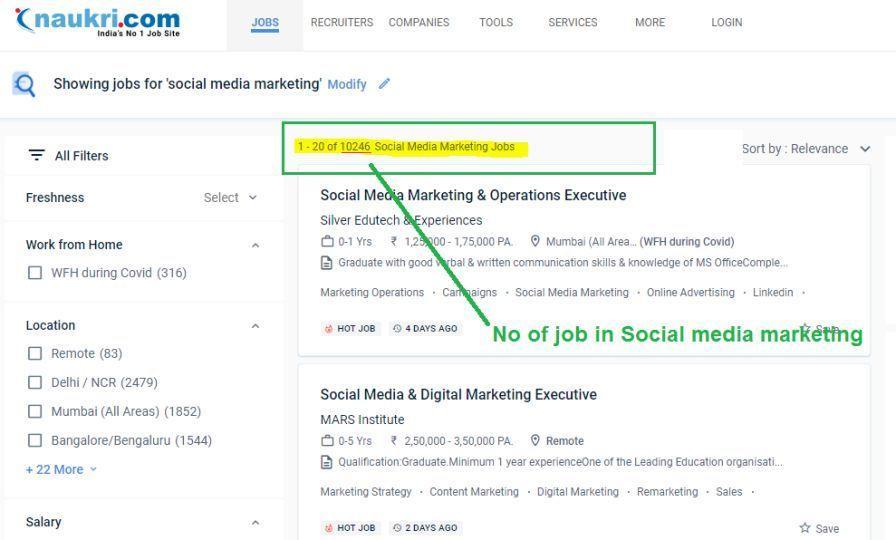
So the demand for skilled social media marketers is on the rise and companies are making a beeline for hiring talented social media marketers.

Do not believe us? Then you should see the following 

Pic Credit: Naukri.com

Now that you know companies are looking for social media marketers, it is time to know how you can become one.

Read this article to get all your questions answered. Here you go.

What is social media marketing?

Social media marketing refers to the usage of various social media channels to promote the product or service of your company.

It is an essential strategy to reach a lot of customers with little effort and a very popular domain among researchers and practitioners.

This marketing strategy generally involves publishing great content on your social media profiles, engaging your followers with the content, listening to their problems, analyzing the results, and running social media advertisements.

It is an effective way to stay engaged with the existing customers and to connect with the new customers simultaneously.

Today’s generation has become the generation of social media. It has become the biggest platform for public interaction. Every person, even a small child, is now using social media channels in a myriad of different ways.

Nearly one-third of the total population is now using any type of social media platform. So social media marketing is an effective strategy to build connections. 

That’s why 97% of total global share companies are using social media marketing. So undoubtedly, it has become a valuable skill set in digital marketing.

With new platforms and features being introduced every day, social media marketing is constantly evolving. So this is one of the important skill sets to be learned not only to increase your business but also to be proven as a valuable asset to the company.

What do social media marketers do?

Social media marketers are the professionals who generally use different social media platforms to promote a company’s product or service.

Besides these, a social media marketer oversees the overall social media strategy of an organization, monitors social media metrics for future performance optimization, stays engaged with the customers and solves all their queries, and stays up-to-date with social media trends, laws, technologies, and best practices.

They play a very important role to increase brand awareness and traffic to the website. So they are the essential factors for a company.

Why should you learn social media marketing?

Social Media Marketers are in Demand

As most companies are using various social media channels to connect with their potential customers, the demand for social media marketers is on the rise.

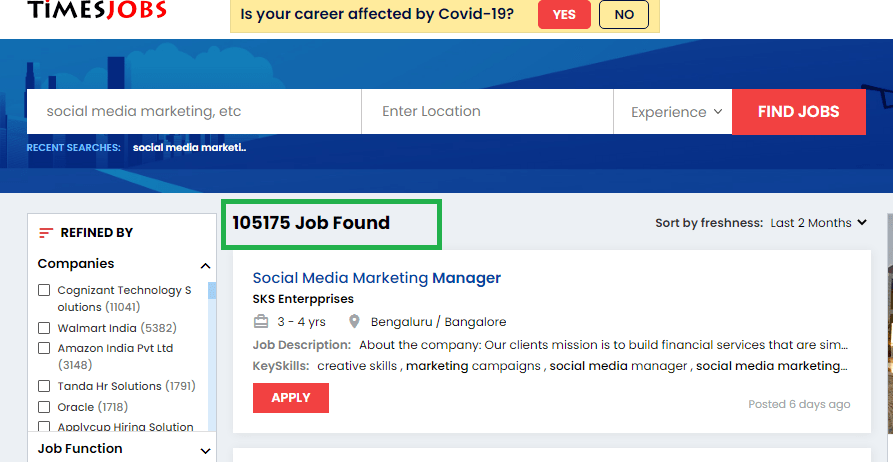
If you scroll through any job site, you will find hundreds of lucrative job offerings for social media marketers.

Pic Credit: Timesjobs

So if you acquire the required skills set to manage various social media platforms, you will be a valuable asset for any company and your skills will always be in demand.

Build your personal brand and business

Creating and sharing valuable content on various social media channels makes you an online persona and reflects your skills and values.

The right kind of techniques and knowledge of content creation on different social media can go a long way in shaping up your online presence, audience engagement, and building your personal brand as well as that of your business. 

Eventually, your content creation, sharing, and reaction to any feed become a public narrative.

Get freelancing opportunity

Freelancing gigs are the buzzword these days. A lot of businesses as well as individuals are dependent on skilled freelancers to get their job done.

If done effectively, social media marketing can be one of the driving forces to grab a freelancing opportunity.

Upskilling yourself with social media tactics and building a personal brand helps you to get a lot of opportunities and opens up multiple sources of income for you.

An interesting subject to learn

Unlike other subjects, Social media marketing is an interesting subject to learn which creates interest within you to study.

A survey by AMA shows that most of the management students find their classes boring and they check up their social media accounts multiple times. 

On the other hand, students learning social media are found to be more awake and active in the class and take interest in the topic.

So not only studying SMM will be enjoyable but it will be like living out of something you are obsessed with just as tasting different kinds of chocolate every day and getting paid for it.

So undoubtedly, SMM is an interesting course to study.

Get global exposure

Social media is a platform where you can get connected to anyone from any part of the world without any barrier whatsoever.

This provides you the opportunity to network with different people, know their culture and it helps in your personal growth as well.

In traditional marketing where we are confined to limited space, social media marketing gives you global exposure.

You can learn new things, get different perspectives, improve as a professional and as a person.

A cost-effective way to reach a larger audience 

Social media marketing is one of the most cost-effective ways to reach out to potential customers. You can start a business right from your phone after creating an account without having to pay a single penny.

Being cost-effective, it helps you to get a high Return on Investment ( ROI) so that the budget can be utilized for other aspects of running a business.

Social media platforms are huge platforms with billions of users. The number of users of these platforms is also increasing day by day.

So with more quality content, you can get more inbound traffic making greater conversion opportunities.

Besides this, by using ads on various social media platforms, you can reach out to the targeted audiences for faster conversion and more revenue.

This is super beneficial for any business as it allows them to market their products or services to an audience that is more likely to convert.

social-network

Major Social Media Platforms

Facebook

Facebook reported about 1.93 billion daily active users and about 2.89 billion monthly active users. This makes Facebook one of the go-to platforms for any marketer. 

Learning how to run Facebook ads effectively to reach out to this huge demographic and generate revenue for any business can make you the most sought-after professional.  

Instagram

Instagram is one of the most popular social media platforms out there and ranks second behind Facebook in terms of active social media users with daily active users of more than 500 million.

This popular app allows businesses and individuals to create profiles and connect to fellow users instantly. 

This application is a great tool to promote the business while being creative simultaneously. 

Pinterest

Pinterest is a popular visual social media platform where a user can create and share pins, shops, and boards.

Using Pinterest for your business can benefit you to increase brand exposure and widen your potential customer base.

Pinterest makes it easier to connect the audience with your content and ensures your blog post is read by more users.

LinkedIn

LinkedIn is a professional network and the platform helps the individual connect with the potential recruiters if they are seeking jobs and vice versa.

LinkedIn is also a great platform for businesses to generate potential leads and reach out to targeted clients.

Learning tactics and implementing growth hacks to optimize your LinkedIn profile can go a long way in helping you establish a skillful social media marketer.

Twitter

Twitter is undoubtedly a powerful platform to increase the reach of the business. Twitter is a place where you meet your potential customers and interact with them directly.

You can also build a strong personal brand on Twitter by sharing consistent valuable content on the platform.

Learning Twitter growth hacks can immensely help you build your personal brand as well as the brand equity of your business. 

Career growth potential

As we have already discussed, there are numerous career opportunities for a skillful social media marketer and the demand is growing with each passing day.

This profession is on a high growth trajectory and made its place in CNN’s top 100 careers with high growth.

With more and more businesses going online and using social media as one of the important marketing strategies, social media marketing jobs will see rapid growth in the coming years.

A report shows that there is 9% job growth for social media marketers in the past few years and that will be high growth in the upcoming days.

So if you enjoy being on social media, love to create engaging content, then social media marketing is the job for you, where you can have fun while you earn.

It is always best to learn from the experts. FluenceTech Academy is one of the best social media marketing training institutes that imparts amazingly structured courses designed by experienced social media marketers themselves.

Click here to connect with a counselor.

Last words

If you have read this far, then you must have known how amazing a career in social media marketing can be.

So what are you waiting for? 

Start your learning today.

You can start your social media marketing course at FluenceTech Academy and get trained by experts with years of experience in social media marketing working with numerous brands.

Talk to your Course Counsellor Today. Call: +91 9348393635.

Using Marketing Analytics to Drive Your Digital Marketing Strategy

In today’s digital age, having a solid marketing strategy is crucial for businesses of all sizes. And while traditional marketing methods still have their place, digital marketing has taken center stage. To truly excel in digital marketing, businesses need to be able to analyze their marketing efforts and make data-driven decisions. That’s where marketing analytics comes in.

Are you ready to take your digital marketing strategy to the next level? By using marketing analytics, you can gain valuable insights into your target audience, optimize your campaigns for maximum impact, and measure your return on investment. In this blog post, we’ll explore how marketing analytics can help you drive your digital marketing strategy and achieve your business goals. So, let’s dive in!

What is marketing analytics?

Marketing analytics is the practice of using data analysis techniques to measure, manage, and analyze the performance of marketing campaigns and initiatives. It involves collecting and analyzing data related to customer behavior, preferences, and demographics, as well as data related to the effectiveness of various marketing channels and tactics. 

By using marketing analytics, businesses can gain valuable insights into their target audience and make data-driven decisions to optimize their marketing efforts, improve their ROI, and achieve their business goals.

Why marketing analytics is essential for digital marketing?

Marketing analytics is essential for digital marketing because it enables businesses to measure the effectiveness of their marketing efforts and make data-driven decisions to optimize their campaigns for maximum impact. With the vast amount of data available in the digital space, it can be challenging to determine which metrics are most important and how to interpret them effectively. 

Marketing analytics provides businesses with a structured approach to collecting, analyzing, and interpreting data, allowing them to gain valuable insights into their target audience, measure the success of their campaigns, and make informed decisions about future marketing initiatives. Without marketing analytics, businesses risk wasting valuable resources on ineffective marketing campaigns and missing out on opportunities to reach and engage their target audience.

Benefits of using marketing analytics in digital marketing

There are many benefits to using marketing analytics in digital marketing. Here are some of the most significant benefits:

Better understanding of your target audience

Marketing analytics allows you to collect and analyze data related to customer behavior, preferences, and demographics. By gaining a better understanding of your target audience, you can create more personalized and relevant marketing campaigns that resonate with your customers.

Improved ROI

Marketing analytics enables you to measure the effectiveness of your marketing campaigns and identify which channels and tactics are delivering the best results. By focusing on the most effective channels and tactics, you can optimize your campaigns and improve your ROI.

Increased efficiency

Marketing analytics allows you to automate many aspects of your marketing campaigns, such as data collection and analysis. This can help you save time and resources, allowing you to focus on other important areas of your business.

Better decision-making

Marketing analytics provides businesses with valuable insights into their marketing efforts, enabling them to make data-driven decisions about future campaigns and initiatives. By using data to inform your decisions, you can reduce the risk of making costly mistakes and increase the likelihood of success.

Competitive advantage

By using marketing analytics to optimize your campaigns and improve your ROI, you can gain a competitive advantage over other businesses in your industry. By staying ahead of the curve and leveraging the latest marketing analytics techniques, you can position your business for long-term success in the digital space.

Different types of marketing analytics

There are several different types of marketing analytics that businesses can use to gain insights into their marketing efforts. Here are some of the most common types:

Descriptive analytics

This type of analytics involves analyzing historical data to gain insights into past performance. Descriptive analytics can help businesses identify trends, patterns, and opportunities for improvement.

Diagnostic analytics

This type of analytics involves analyzing data to understand why certain outcomes occurred. Diagnostic analytics can help businesses identify the root causes of problems and make informed decisions about how to address them.

Predictive analytics

This type of analytics involves using statistical models and machine learning algorithms to predict future outcomes based on historical data. Predictive analytics can help businesses make more accurate forecasts and improve their decision-making.

Prescriptive analytics

This type of analytics involves using data and algorithms to optimize marketing campaigns in real-time. Prescriptive analytics can help businesses make more informed decisions about which channels and tactics to use and when to use them.

Customer analytics

This type of analytics involves analyzing data related to customer behavior, preferences, and demographics. Customer analytics can help businesses understand their target audience better and create more personalized and relevant marketing campaigns.

Social media analytics

This type of analytics involves analyzing data related to social media engagement, such as likes, shares, and comments. Social media analytics can help businesses understand how their social media campaigns are performing and make informed decisions about how to optimize them.

Web analytics

This type of analytics involves analyzing data related to website traffic, such as page views, bounce rates, and conversion rates. Web analytics can help businesses optimize their website and improve their online presence.

How to do a market analysis?

Collecting and Analyzing Data

Collecting and analyzing data is a critical process in marketing analytics. Here’s how it typically works:

  1. Data collection: The first step in marketing analysis is to collect data. This can involve gathering information from various sources, such as customer surveys, website analytics, social media metrics, and sales data.
  2. Data cleaning: Once the data has been collected, it needs to be cleaned and processed. This involves removing any irrelevant or duplicate data, correcting errors, and ensuring that the data is consistent and accurate.
  3. Data analysis: After the data has been cleaned, it can be analyzed using various statistical methods and algorithms. The goal of data analysis is to identify patterns, trends, and insights that can inform marketing decisions.
  4. Data visualization: To make the data more accessible and understandable, it’s often presented in the form of graphs, charts, and other visualizations. Data visualization can help marketers quickly identify key insights and trends.
  5. Reporting: The final step in the process is to present the findings in a report or presentation. The report should include a summary of the key findings, as well as recommendations for future marketing initiatives based on the insights gained from the data analysis.

By following this process, businesses can gain valuable insights into their marketing efforts and make data-driven decisions to optimize their campaigns and improve their ROI.

Using Marketing Analytics for Audience Segmentation

Using marketing analytics for audience segmentation is a powerful way to tailor your marketing messages to different groups of customers. Here’s how the process typically works:

  1. Define your target audience: The first step is to define your target audience based on demographics, behavior, and other relevant factors. This will help you identify the different segments of your customer base that you want to target with your marketing campaigns.
  2. Collect data: The next step is to collect data about your customers. This can include information about their purchase history, website behavior, social media activity, and more.
  3. Analyze the data: Once you have collected the data, you can use marketing analytics tools to analyze it and identify patterns and trends. This will help you identify different groups of customers based on their behavior and preferences.
  4. Create segments: Based on the insights gained from the data analysis, you can create different customer segments that you want to target with your marketing messages. These segments can be based on a variety of factors, such as demographics, behavior, interests, and more.
  5. Tailor your marketing messages: With your customer segments defined, you can tailor your marketing messages to each group. This might involve creating different ads, emails, social media posts, and other marketing materials that speak directly to the interests and needs of each segment.
  6. Measure and optimize: Finally, you can use marketing analytics tools to measure the effectiveness of your campaigns and optimize them over time. By tracking the performance of each segment, you can identify which messages and tactics are working best and refine your campaigns accordingly.

By using marketing analytics for audience segmentation, businesses can create more personalized and relevant marketing campaigns that resonate with their customers and drive better results.

Optimizing Your Digital Marketing Strategy with Marketing Analytics

Optimizing your digital marketing strategy is crucial for maximizing your ROI and achieving your business goals. Here’s how you can use marketing analytics to optimize your digital marketing strategy:

  1. Set your goals: The first step is to define your goals for your digital marketing campaigns. This could include increasing website traffic, generating leads, boosting sales, or building brand awareness.
  2. Identify your KPIs: Once you have set your goals, you need to identify the key performance indicators (KPIs) that will help you measure your progress. This could include metrics like click-through rates, conversion rates, engagement rates, and more.
  3. Collect and analyze your data: With your KPIs defined, you can collect and analyze data from your website, social media accounts, email campaigns, and other digital channels. This will help you identify areas where you can improve your campaigns and optimize your marketing efforts.
  4. Test and refine: Using the insights gained from your data analysis, you can test different marketing tactics and strategies to see what works best. This might involve testing different ad copy, targeting different audience segments, or experimenting with new channels.
  5. Monitor and adjust: As you implement your marketing strategies, you need to continually monitor your KPIs and adjust your tactics as needed. This will help you stay on track toward your goals and make data-driven decisions about your marketing campaigns.
  6. Report and communicate: Finally, you should report your findings and insights to your team and stakeholders. This will help everyone stay informed about the progress of your campaigns and make informed decisions about future marketing initiatives.

By using marketing analytics to optimize your digital marketing strategy, you can make data-driven decisions that lead to better results and a higher ROI for your business.

Measuring and Analyzing ROI with Marketing Analytics

Measuring and analyzing ROI (return on investment) is a critical part of using marketing analytics to drive your digital marketing strategy. Here’s how it typically works:

  1. Set your objectives: The first step is to define your objectives for your marketing campaign. This could include increasing sales, generating leads, improving brand awareness, or achieving other business goals.
  2. Determine your budget: Once you have set your objectives, you need to determine how much you are willing to spend on your marketing campaign. This will help you calculate your ROI later on.
  3. Track your expenses: As you implement your marketing campaign, you need to track your expenses carefully. This might include the cost of advertising, content creation, social media management, and other related expenses.
  4. Track your revenue: In addition to tracking your expenses, you also need to track your revenue. This could include sales, leads generated, website traffic, and other relevant metrics.
  5. Calculate your ROI: With your expenses and revenue tracked, you can calculate your ROI using a simple formula: (Revenue – Expenses) / Expenses. This will give you a percentage that represents the return you received on your investment.
  6. Analyze your results: Finally, you need to analyze your ROI to identify areas where you can improve your marketing campaigns. This might involve testing different marketing tactics, targeting different audience segments, or adjusting your budget.

By measuring and analyzing ROI with marketing analytics, you can make data-driven decisions that help you maximize your returns and achieve your business goals. Additionally, you can use these insights to optimize your marketing campaigns and improve your future results.

Integrating Marketing Analytics with Your Digital Marketing Campaigns

Integrating marketing analytics with your digital marketing campaigns is essential for optimizing your marketing efforts and achieving your business goals. Here’s how you can do it:

  1. Define your metrics: The first step is to define the metrics that you want to track for your marketing campaigns. This could include website traffic, conversion rates, engagement rates, and more.
  2. Set up tracking tools: Once you have defined your metrics, you need to set up tracking tools to monitor your performance. This might include tools like Google Analytics, social media analytics, email marketing software, and more.
  3. Analyze your data: With your tracking tools in place, you can start analyzing your data to identify patterns and trends. This will help you understand how your marketing campaigns are performing and where you can make improvements.
  4. Test and refine: Based on your data analysis, you can test different marketing tactics and strategies to see what works best. This might involve testing different ad copy, targeting different audience segments, or experimenting with new channels.
  5. Use automation: To streamline your marketing efforts, consider using automation tools to optimize your campaigns. This might include tools for email marketing, social media scheduling, and more.
  6. Monitor and adjust: As you implement your marketing campaigns, you need to continually monitor your metrics and adjust your tactics as needed. This will help you stay on track toward your goals and make data-driven decisions about your marketing campaigns.

By integrating marketing analytics with your digital marketing campaigns, you can make data-driven decisions that lead to better results and a higher ROI for your business. This will help you stay ahead of the competition and achieve your business goals in the most efficient and effective way possible.

Marketing Analytics and Social Media Marketing

Marketing analytics and social media marketing go hand in hand, as social media platforms offer a wealth of data and insights that can inform your marketing decisions. Here’s how you can leverage marketing analytics to improve your social media marketing:

  1. Define your objectives: The first step is to define your social media objectives, such as increasing brand awareness, generating leads, or driving sales. This will help you determine what metrics to track and analyze.
  2. Monitor engagement metrics: Social media platforms offer a range of engagement metrics, such as likes, comments, shares, and followers. Tracking these metrics can help you understand how your audience is responding to your content and adjust your strategy accordingly.
  3. Analyze audience data: Social media platforms also provide data on your audience demographics, interests, and behaviors. Analyzing this data can help you identify your target audience and create content that resonates with them.
  4. Track referral traffic: Social media can drive traffic to your website, and tracking referral traffic from social media platforms can help you understand which channels are driving the most traffic and adjust your strategy accordingly.
  5. Use social media analytics tools: There are various social media analytics tools available that can help you track and analyze your social media performance, such as Hootsuite, Sprout Social, and Buffer.
  6. Test and refine: Using the data and insights you gather, you can test different tactics and strategies to see what works best for your audience. This might involve experimenting with different types of content, posting at different times, or testing different ad formats.

By leveraging marketing analytics in your social media marketing efforts, you can create more targeted and effective campaigns that reach your desired audience and drive better results for your business.

Conclusion

Marketing analytics is a crucial tool for driving your digital marketing strategy. By collecting and analyzing data, you can gain valuable insights into your audience, their behavior, and the effectiveness of your marketing efforts. This information allows you to optimize your campaigns, target the right audience, and ultimately achieve your business goals.

With the right tools and approach, marketing analytics can be a powerful asset for any business looking to grow and succeed in today’s digital landscape. So if you’re not already leveraging marketing analytics in your digital marketing strategy, it’s time to start exploring the possibilities and unlocking the full potential of your marketing efforts.

You may also like to read

Maximizing Your ROI with Pay Per Click in Digital Marketing

10 Proven Content Marketing Strategies for a successful campaign

Maximizing Your ROI with Pay Per Click in Digital Marketing

In the fast-paced world of digital marketing, Pay Per Click (PPC) advertising has become a crucial tool for businesses to reach their target audience and drive conversions. With the right strategy, PPC can deliver a high return on investment (ROI) and help businesses stay ahead of the competition. 

But with so many options and factors to consider, it can be overwhelming for those new to Pay Per Click. 

In this blog post, we’ll break down the key elements of a successful Pay Per Click campaign, share best practices for optimization, and offer tips for maximizing your ROI. Get ready to take your digital marketing to the next level with Pay Per Click!

What is Pay Per Click (PPC)?

Pay Per Click (PPC) is a form of online advertising where advertisers pay each time a user clicks on one of their ads. It is a model used to drive traffic to websites and is often used as part of a digital marketing campaign. With Pay Per Click, advertisers bid on specific keywords or phrases relevant to their target audience, and their ads appear at the top of search engine results pages or on websites that are part of a display network. The goal of Pay Per Click is to attract relevant traffic to a website and convert visitors into customers, with the advertiser only paying when someone clicks on their ad.

Importance of Pay Per Click in digital marketing

Pay Per Click (PPC) is an important component of digital marketing as it offers businesses a way to quickly and effectively drive traffic to their website and increase conversions. PPC campaigns can be highly targeted, allowing businesses to reach their desired audience based on factors such as demographics, location, and search intent. 

This makes Pay Per Click an efficient and cost-effective way to generate leads and increase brand awareness. Additionally, with the ability to track and measure the success of Pay Per Click campaigns, businesses can easily adjust their strategies to optimize their return on investment (ROI). Overall, PPC is a powerful tool that can help businesses of all sizes and industries reach their digital marketing goals.

Pay Per Click advertising provides businesses with a level of control that is not possible with other forms of advertising. Advertisers can choose the keywords they want to target, the geographic locations they want to target, the times of day they want their ads to show, and even the devices on which their ads will be displayed. This level of control allows businesses to tailor their campaigns to their specific needs and goals, resulting in better performance and higher ROI.

Another benefit of Pay Per Click is its flexibility. With PPC, advertisers can start and stop campaigns at any time, adjust their budgets and bids, and change their ad copy and landing pages. This flexibility allows businesses to adapt quickly to changing market conditions and stay ahead of their competition.

Pay Per Click is also highly measurable, providing businesses with a wealth of data on campaign performance. Advertisers can track metrics such as clicks, impressions, click-through rates, conversion rates, and cost per click (CPC). This data allows businesses to analyze their campaigns and make informed decisions about their marketing strategies.

In addition, Pay Per Click can be used in conjunction with other digital marketing tactics such as search engine optimization (SEO) and social media marketing to create a comprehensive online marketing strategy.

How does Pay Per Click work?

Pay Per Click (PPC) advertising works on an auction-based system, where advertisers bid on specific keywords or phrases that are relevant to their target audience. When a user enters a search query into a search engine that matches the keywords the advertiser has bid on, the search engine runs an auction to determine which ads will be displayed.

The auction takes into account several factors, including the bid amount, the relevance of the ad to the search query, and the ad’s historical performance. The advertiser with the highest bid and most relevant ad will generally be awarded the top spot on the search engine results page.

When a user clicks on an ad, the advertiser is charged a certain amount of money, which is referred to as the cost per click (CPC). The CPC can vary depending on the competitiveness of the keywords being targeted and the quality score of the ad.

The quality score is a metric used by search engines to evaluate the relevance and quality of an ad and its landing page. A higher quality score can result in a lower CPC and a higher ad position, which can lead to better performance and higher ROI.

PPC ads can be displayed on search engine results pages (SERPs) or on websites that are part of a display network. Display network ads can be either text or image-based and are displayed on websites that have agreed to display ads from the network.

Overall, Pay Per Click works by allowing advertisers to bid on specific keywords or phrases, with the ads being displayed when a user enters a search query that matches the keywords. Advertisers are charged only when a user clicks on their ad, making it a cost-effective and measurable way to drive traffic to a website.

Advantages and disadvantages of Pay Per Click

Advantages of Pay Per Click (PPC) advertising:

PPC allows businesses to reach their target audience based on factors such as demographics, location, and search intent, resulting in highly targeted campaigns that are more likely to convert.

Pay Per Click provides businesses with a wealth of data on campaign performance, allowing them to track metrics such as clicks, impressions, conversion rates, and cost per click (CPC), and adjust their strategies accordingly.

PPC campaigns can be started and stopped at any time, with advertisers able to adjust their budgets and bids and change their ad copy and landing pages, providing businesses with the flexibility to adapt quickly to changing market conditions.

Pay Per Click provides businesses with a high level of control over their campaigns, allowing them to choose the keywords they want to target, the geographic locations they want to target, the times of day they want their ads to show, and even the devices on which their ads will be displayed.

Disadvantages of Pay Per Click (PPC) advertising:

PPC can be expensive, with businesses bidding against each other for ad placement, resulting in higher costs per click. Additionally, poorly performing ads can result in wasted spend, further increasing costs.

With PPC being an auction-based system, there is a high level of competition for ad placement, making it difficult for smaller businesses to compete with larger ones that have larger budgets.

PPC can be complex and requires a certain level of expertise to create effective campaigns. Businesses that lack the knowledge and resources to manage their campaigns in-house may need to hire an agency or consultant to help them.

Over time, users may become less responsive to ads that they have seen repeatedly, resulting in ad fatigue and a decrease in campaign performance.

Overall, while PPC can offer businesses many advantages, it is important to weigh these against the potential disadvantages and consider whether it is the right choice for their specific needs and goals.

Types of Pay-Per-Click Advertising

Pay Per Click (PPC) advertising is a popular form of online advertising in which advertisers pay each time a user clicks on one of their ads. 

There are several types of PPC advertising, including:

Search Advertising

This type of PPC advertising displays ads in search engine results pages (SERPs) based on the keywords entered by users. The ads appear at the top and bottom of the search results page and are labeled as “sponsored” or “ad” to differentiate them from organic search results.

Display Advertising

Display ads are graphical ads that are placed on websites and are typically shown in the form of banners, pop-ups, or text ads. These ads can be targeted based on the user’s demographics, interests, or behavior.

Social Media Advertising

Social media platforms such as Facebook, Twitter, LinkedIn, and Instagram offer PPC advertising options that allow advertisers to target specific audiences based on interests, demographics, and behaviors. These ads can appear in users’ newsfeeds or on the side of the page.

Remarketing

Remarketing ads are targeted at users who have previously visited a website but did not make a purchase or take a desired action. These ads can be displayed on other websites or social media platforms, encouraging users to return to the website and complete the desired action.

Shopping Advertising

Shopping ads are used to promote specific products and are displayed in Google search results when a user searches for a specific product or category. These ads display an image, price, and other product details.

Overall, PPC advertising is a highly effective way to drive targeted traffic to a website and increase conversions. By using the right type of PPC advertising for your business, you can reach your target audience and achieve your advertising goals.

Key Elements of a Successful Pay-Per-Click Campaign

A successful Pay Per Click (PPC) campaign requires careful planning and execution. Here are some key elements that can help you create a successful PPC campaign:

Clear and measurable goals

Define clear and measurable goals for your PPC campaign, such as increasing sales, generating leads, or improving brand awareness.

Keyword research

Conduct thorough keyword research to identify the most relevant and effective keywords for your PPC campaign. Use tools like Google Keyword Planner to identify keywords that are relevant to your business and have high search volumes.

Compelling ad copy

Write compelling and relevant ad copy that entices users to click on your ads. Use clear, concise language that communicates the benefits of your product or service.

Landing page optimization

Create landing pages that are optimized for conversion. Make sure your landing pages are relevant to your ad copy and include clear calls to action that encourage users to take action.

Targeted audience

Target your PPC ads to the right audience by using demographics, interests, and behaviors. This ensures that your ads are displayed to users who are most likely to be interested in your product or service.

Bid management

Optimize your bids to ensure that your ads are displayed in the best possible position. Use bid management tools to monitor your bids and adjust them as needed.

Continuous monitoring and optimization

Continuously monitor your PPC campaign performance and make adjustments as needed. Use data and analytics to identify areas where you can improve your campaign and optimize your ads for maximum performance.

By implementing these key elements, you can create a successful PPC campaign that drives targeted traffic to your website, increases conversions, and achieves your business goals.

Best Practices for Pay-Per-Click Campaign Optimization

Optimizing a Pay Per Click (PPC) campaign is crucial to ensure that it delivers maximum results. Here are some best practices for optimizing your PPC campaign:\

Conduct regular keyword research

Keep your PPC campaign up-to-date by conducting regular keyword research to identify new keywords that may be relevant to your business. Use tools like Google Keyword Planner to identify high-traffic and high-converting keywords.

Use negative keywords

Use negative keywords to filter out irrelevant search queries that may trigger your ads. This will help you improve the relevancy of your ads and reduce wasted ad spend.

Test ad copy variations

Test different ad copy variations to identify the most effective messaging for your audience. Use A/B testing to compare different ad versions and determine which ones generate the most clicks and conversions.

Optimize landing pages

Ensure that your landing pages are optimized for conversion. Use clear and concise messaging that matches your ad copy, and include clear calls-to-action that encourage users to take action.

Monitor your campaign regularly

Monitor your campaign regularly to identify areas where you can improve performance. Use analytics tools to track your campaign’s performance and adjust your bids, targeting, and ad copy as needed.

Use ad extensions

Ad extensions can improve the visibility and effectiveness of your ads. Use extensions like site links, call extensions, and location extensions to provide more information to users and encourage them to take action.

Focus on quality score

Quality score is a metric that measures the relevance and quality of your ads, keywords, and landing pages. Focus on improving your quality score by ensuring that your ads are relevant, your landing pages are optimized, and your keywords are targeted.

By implementing these best practices, you can optimize your PPC campaign for maximum performance, improve your ROI, and achieve your business goals.

Common Pay-Per-Click Mistakes to Avoid

Pay Per Click (PPC) advertising can be a highly effective way to drive targeted traffic to your website and increase conversions.

 However, there are some common mistakes that can undermine the effectiveness of your PPC campaign. Here are some common PPC mistakes to avoid:

Not conducting proper keyword research

Failing to conduct proper keyword research can lead to targeting the wrong keywords, resulting in wasted ad spend and poor campaign performance. Conduct thorough keyword research to identify the most relevant and effective keywords for your campaign.

Ignoring negative keywords

Negative keywords can help filter out irrelevant search queries that may trigger your ads. Ignoring negative keywords can result in wasted ad spend and reduced campaign performance.

Poor ad copy

Poor ad copy that is not compelling or relevant can result in low click-through rates and poor conversion rates. Write ad copy that is clear, concise, and communicates the benefits of your product or service.

Not optimizing landing pages

A poorly optimized landing page can undermine the effectiveness of your PPC campaign. Ensure that your landing pages are optimized for conversion and include clear calls-to-action that encourage users to take action.

Failing to track and measure campaign performance

Failing to track and measure campaign performance can make it difficult to identify areas for improvement and optimize your campaign for maximum performance. Use analytics tools to track your campaign’s performance and make data-driven decisions.

Overlooking mobile optimization 

With more users accessing the internet on mobile devices, it’s important to ensure that your PPC ads and landing pages are optimized for mobile devices. Failure to optimize for mobile can result in poor campaign performance and reduced conversions.

Not setting clear and measurable goals

Failing to set clear and measurable goals for your PPC campaign can make it difficult to measure success and optimize for maximum performance. Set clear and measurable goals for your campaign to ensure that you are achieving your business objectives.

By avoiding these common PPC mistakes, you can optimize your campaign for maximum performance, increase conversions, and achieve your business goals.

Advanced Pay Per Click Strategies

Advanced Pay Per Click (PPC) strategies can help you take your campaign to the next level and achieve even better results. Here are some advanced PPC strategies to consider:

Remarketing

Remarketing allows you to target users who have previously interacted with your brand or website. Use remarketing to target users who have abandoned a shopping cart, visited your website but didn’t convert, or interacted with your brand on social media.

Lookalike targeting

Lookalike targeting allows you to target users who are similar to your existing customers. Use lookalike targeting to expand your reach and target new audiences who are likely to be interested in your product or service.

Audience targeting

Audience targeting allows you to target users based on their demographics, interests, and behaviors. Use audience targeting to ensure that your ads are displayed to users who are most likely to be interested in your product or service.

Ad scheduling

Ad scheduling allows you to display your ads at specific times of the day or week. Use ad scheduling to ensure that your ads are displayed when your target audience is most likely to be online.

Ad copy personalization

Use ad copy personalization to create ads that are tailored to specific audiences or user segments. This can help improve click-through rates and conversion rates.

Dynamic search ads

Dynamic search ads allow you to create ads that are dynamically generated based on the content of your website. Use dynamic search ads to ensure that your ads are relevant and up-to-date with the content on your website.

Advanced bidding strategies

Advanced bidding strategies, such as target cost-per-acquisition (CPA) or target return on ad spend (ROAS), can help you optimize your bids for maximum performance and achieve your business goals.

By implementing these advanced PPC strategies, you can take your campaign to the next level and achieve even better results. However, it’s important to carefully monitor and optimize your campaign to ensure that you are achieving your business objectives and getting the most out of your ad spend.

Pay Per Click Tools and Resources

There are many tools and resources available to help you manage and optimize your Pay Per Click (PPC) campaigns. Here are some of the top PPC tools and resources to consider:

Google Ads

Google Ads is the most popular PPC platform and offers a range of tools and resources to help you manage and optimize your campaigns, including keyword research tools, ad creation tools, and analytics tools.

Bing Ads

Bing Ads is a PPC platform that allows you to advertise on the Bing search engine and its partner sites. Bing Ads offers similar tools and resources to Google Ads, including keyword research tools and analytics tools.

SEMrush

SEMrush is a powerful SEO and PPC tool that offers a range of features, including keyword research tools, competitor analysis tools, and ad campaign analysis tools.

Ahrefs

Ahrefs is another popular SEO and PPC tool that offers keyword research tools, competitor analysis tools, and ad campaign analysis tools.

Optmyzr

Optmyzr is a PPC management tool that offers a range of features, including ad optimization tools, bidding tools, and reporting tools.

WordStream

WordStream is a PPC management tool that offers a range of features, including keyword research tools, ad creation tools, and analytics tools.

Google Analytics

Google Analytics is a powerful analytics tool that can be used to track the performance of your PPC campaigns, as well as your website as a whole.

PPC Hero

PPC Hero is a popular PPC blog that offers tips, insights, and best practices for managing and optimizing PPC campaigns.

By leveraging these PPC tools and resources, you can optimize your campaigns for maximum performance and achieve your business objectives. However, it’s important to carefully evaluate each tool and resource to ensure that it aligns with your specific needs and budget.

Conclusion

Pay Per Click (PPC) is a crucial component of digital marketing that can help businesses reach their target audience and achieve their marketing objectives. By allowing businesses to display targeted ads to users who are actively searching for products or services, PPC can drive qualified traffic to a website and increase conversions. 

However, it’s important to carefully manage and optimize PPC campaigns to ensure that they are delivering a positive return on investment (ROI). By following best practices, avoiding common mistakes, and leveraging advanced strategies and tools, businesses can achieve even better results from their PPC campaigns. 

Ultimately, by incorporating PPC into a comprehensive digital marketing strategy, businesses can increase their online visibility, generate leads, and grow their business.

You may also like to read

10 Proven Content Marketing Strategies for a successful campaign

Digital marketing- The best short-term job-oriented course you should pursue

10 Proven Content Marketing Strategies for a successful campaign

Are you struggling to get your content marketing campaigns off the ground? You’re not alone! Crafting and executing a successful content marketing campaign can be challenging, especially in a crowded online space. 

But fear not, there are proven strategies that you can implement to give your campaigns the boost they need to succeed. 

In this blog post, we’ll be sharing 10 proven content marketing strategies that you can use to take your campaigns to the next level. From creating high-quality content to leveraging social media, we’ve got you covered. 

So let’s dive in and discover the secrets to a successful content marketing campaign!

What is content marketing?

Content marketing is an effective marketing strategy that primarily focuses on creating and sharing valuable, relevant, and consistent content that attracts and retains a clearly defined audience. The goal of content marketing is to build trust and credibility with your audience, ultimately leading to increased brand awareness, customer loyalty, and business growth. 

Content can take many forms, such as blog posts, social media updates, videos, podcasts, and more. The key to successful content marketing is to create content that resonates with your target audience, addresses their pain points, and provides solutions to their problems. 

By doing so, you can establish yourself as a thought leader in your industry and create a loyal following of customers who trust and value your brand.

Content marketing is a powerful strategy that can help businesses of all sizes and industries achieve their marketing goals. Whether you’re looking to build brand awareness, generate leads, or establish yourself as a thought leader, content marketing can help you get there.

Importance of having a successful content marketing campaign

Having a successful content marketing campaign can be incredibly valuable for businesses. Here are a few reasons why:

Increased brand awareness

By creating high-quality content that resonates with your target audience, you can increase your brand’s visibility and awareness. This can lead to more leads, sales, and business growth over time.

Improved search engine rankings

Content marketing can also help improve your search engine rankings, making it easier for potential customers to find you online. By creating content that is optimized for specific keywords and topics, you can improve your website’s visibility on search engines like Google.

Establishing thought leadership

Creating high-quality content can also help establish your brand as a thought leader in your industry. By providing valuable insights and solutions to your target audience’s problems, you can build trust and credibility, and position yourself as an authority in your field.

Building customer loyalty

Successful content marketing campaigns can also help build customer loyalty and advocacy. By creating content that speaks to your audience’s needs and interests, you can foster a sense of community and connection, which can lead to more repeat business and positive word-of-mouth referrals.

Overall, a successful content marketing campaign can help businesses achieve a wide range of marketing goals, from improving brand awareness and search engine rankings, to building thought leadership and customer loyalty.

Content Marketing Strategies for a successful campaign

Strategy 1: Define your target audience

Defining your target audience is a critical component of successful content marketing strategies. By understanding who your target audience is, you can create content that resonates with them, speaks to their needs and interests, and ultimately drives engagement, leads, and sales.

To define your target audience, you should start by conducting research and gathering data on your existing customers or ideal customers. This may involve analyzing demographics such as age, gender, location, and income, as well as psychographics such as interests, values, and behaviors.

Once you have a clear understanding of who your target audience is, you can start creating content that speaks directly to them. This may involve developing buyer personas that represent your target audience and creating content that addresses their pain points, challenges, and goals.

For example, if your target audience is young mothers who are interested in natural parenting, you might create blog posts that provide tips for natural parenting, share stories from other mothers who have successfully used natural parenting techniques or highlight natural parenting products that are safe and effective for babies and young children.

By defining your target audience and creating content that speaks directly to them, you can increase the effectiveness of your content marketing campaigns and improve your overall ROI. So take the time to get to know your audience, and tailor your content accordingly.

Strategy 2 : Develop a content marketing plan

Developing a content marketing plan is another critical component of any successful content marketing strategies. A content marketing plan outlines the goals, target audience, content types, channels, and metrics for your content marketing campaigns, and helps ensure that your content is aligned with your overall marketing objectives.

Here are some steps you can take to develop a content marketing plan:

  1. Set your goals: Start by defining your content marketing goals. Are you looking to drive more traffic to your website, generate more leads, or establish your brand as a thought leader in your industry? Having clear goals in mind will help you create content that is tailored to your desired outcomes.
  1. Define your target audience: As we discussed earlier, defining your target audience is critical to creating content that resonates with them. Identify the key characteristics and pain points of your target audience, and use this information to create buyer personas that will guide your content creation.
  1. Choose your content types and channels: Once you have a clear understanding of your goals and target audience, you can start thinking about the types of content that will best resonate with your audience. This may include blog posts, social media updates, videos, podcasts, infographics, and more. Consider which channels your audience is most active on, and tailor your content to those channels.
  1. Develop a content calendar: Creating a content calendar can help you stay organized and ensure that you are consistently creating and publishing content. Your content calendar should include the topics, types, and channels for each piece of content, as well as deadlines and publication dates.
  1. Measure your results: Finally, it’s important to measure the results of your content marketing campaigns. Use analytics tools to track key metrics such as website traffic, social media engagement, and lead generation, and use this data to refine your content marketing strategies over time

By developing a content marketing plan, you can ensure that your content is aligned with your overall marketing goals, and create content that resonates with your target audience and drives engagement, leads, and sales.

Strategy 3: Produce high-quality content

Producing high-quality content is one of the critical components of successful content marketing strategies. High-quality content is content that is valuable, informative, engaging, and relevant to your target audience, and helps establish your brand as a trusted authority in your industry.

Following are some major tips for producing high-quality content:

  1. Understand your audience: Before you start creating content, it’s important to have a clear understanding of your target audience’s needs and interests. Conduct research, analyze customer data, and create buyer personas to guide your content creation.
  1. Choose the right format: There are many different types of content, from blog posts and videos to infographics and podcasts. Choose the appropriate format which will best suit your audience and your message.
  1. Focus on quality over quantity: It’s better to create fewer pieces of high-quality content than to produce a lot of low-quality content. Take the time to research your topic, write well-crafted copy, and include high-quality visuals and multimedia elements.
  1. Provide value: Your content should provide value to your audience, whether it’s by educating them on a topic, providing solutions to their problems, or entertaining them. Focus on providing actionable insights and information that your audience can use.
  1. Use a consistent brand voice: Your content should reflect your brand’s personality and values, and use a consistent tone and voice across all channels and formats.
  1. Optimize for SEO: While producing high-quality content should always be your top priority, it’s also important to optimize your content for search engines. Use relevant keywords and meta tags, include internal and external links, and make sure your content is formatted for easy reading.

By producing high-quality content, you can establish your brand as a trusted authority, drive engagement and shares, and ultimately achieve your content marketing goals.

Strategy 4: Use various types of content

Using various types of content is an effective content marketing strategy because it allows you to reach and engage with different segments of your target audience, who may have different preferences for consuming content. By diversifying your content types, you can keep your audience interested and engaged, and avoid content fatigue.

Here are some types of content you can use as part of your content marketing strategy:

  1. Blog posts: Blog posts are a staple of content marketing and are effective at providing valuable information, insights, and thought leadership to your audience.
  1. Videos: Videos are highly engaging and can be used to demonstrate products, showcase customer testimonials, or share how-to information. They can be shared on social media, embedded in blog posts, or used as part of email marketing campaigns.
  1. Infographics: Infographics are a visually appealing way to convey complex information or data in a clear and concise way. They can be shared on social media, used in blog posts, or incorporated into presentations.
  1. Podcasts: Podcasts are a popular way to share insights, interviews, or industry news. They can be promoted on social media, embedded in blog posts, or distributed through podcast directories.
  1. Ebooks and whitepapers: Ebooks and whitepapers are longer-form pieces of content that provide in-depth analysis or research on a particular topic. They can be used to generate leads, promote thought leadership, or provide educational resources to your audience.
  1. Webinars: Webinars are a way to share information or provide training in a live, interactive format. They can be used to engage with prospects, educate customers, or promote thought leadership.

By using various types of content, you can reach different segments of your audience and engage with them in different ways. It’s important to choose the right content types based on your goals and your audience’s preferences and to create content that is high-quality, informative, and engaging.

Strategy 5: Promote your content

Promoting your content is an essential part of an effective content marketing strategy. Without promotion, your content may not reach your target audience, and your efforts may go to waste. Here are some tips for promoting your content:

  1. Share on social media: Social media is a great way to share your content with a large audience. It is essential to share your content on various social media channels and encourage your followers to share it with their networks.
  1. Use email marketing: Email marketing is a powerful way to promote your content to your existing subscribers. Send newsletters or dedicated emails highlighting your latest content, and include social sharing buttons to encourage your subscribers to share.
  1. Collaborate with influencers: Partnering with influencers in your industry can help expand your reach and drive more traffic to your content. Reach out to influencers who have a large following and align with your brand values, and ask if they would be willing to share your content with their followers.
  1. Leverage paid advertising: Paid advertising, such as Google Ads or social media ads, can help you reach a larger audience and drive more traffic to your content. Choose the right targeting options based on your audience and goals, and create compelling ad copy and visuals.
  1. Repurpose your content: Repurposing your content into different formats, such as videos, infographics, or social media posts, can help you reach new audiences and drive more engagement. Repurposing also allows you to get more mileage out of your content and extend its lifespan.
  1. Utilize content distribution platforms: Content distribution platforms, such as Outbrain or Taboola, can help you get your content in front of a larger audience. These platforms promote your content on other websites, giving you more exposure and driving more traffic to your content.

By promoting your content effectively, you can reach a larger audience, drive more traffic to your website, and ultimately achieve your content marketing goals.

Strategy 6: Analyze and measure results

Analyzing and measuring the results of your content marketing efforts is crucial for understanding what is working and what isn’t, and for making informed decisions about future content marketing strategies. Here are some tips for analyzing and measuring results:

  1. Set goals and KPIs: Before you start your content marketing campaign, set specific and measurable goals and key performance indicators (KPIs) that align with your overall marketing objectives. For example, your goals could be to increase website traffic, generate leads, or boost engagement on social media.
  1. Use analytics tools: Use analytics tools, such as Google Analytics, to track and measure the performance of your content. These tools can provide valuable insights into how your content is performing, including page views, time on page, bounce rate, and conversion rates.
  1. Monitor social media engagement: Monitor engagement on your social media channels, such as likes, comments, and shares, to see how your content is resonating with your audience. You should use your social media analytics tools to track your progress over time.
  1. Conduct surveys and feedback: Conduct surveys and gather feedback from your audience to understand their preferences and interests. This can help you create more relevant and engaging content in the future.
  1. A/B testing: Use A/B testing to test different variations of your content and see which performs better. For example, you could test different headlines, images, or calls to action to see which drives more clicks and conversions.
  1. Regularly review and adjust your strategy: Regularly review your content marketing strategy and adjust it based on your findings. Use the insights and data you gather to optimize your content for better performance and to improve your overall content marketing strategy.

By analyzing and measuring the results of your content marketing efforts, you can identify what is working and what needs improvement, and make informed decisions about future content marketing strategies. This will ultimately help you achieve your marketing goals and drive more success for your business.

Strategy 7 : Repurpose your content

Repurposing your content is an effective content marketing strategy that involves taking existing content and presenting it in a new format or medium. This approach allows you to reach new audiences, extend the lifespan of your content, and maximize the return on your content creation efforts. Here are some ways to repurpose your content:

  1. Turn blog posts into videos: Turn your blog posts into videos by creating animated videos, or filming a video of yourself presenting the information from the blog post. This allows you to reach audiences who prefer to consume content through video.
  1. Create infographics: Turn data-rich blog posts into infographics. Infographics are a great way to communicate complex information in a visually appealing and shareable format.
  1. Compile e-books: Combine multiple blog posts or articles into an e-book. E-books are a great way to provide in-depth information on a topic and can be used as a lead magnet to generate leads for your business.
  1. Create social media posts: Extract key points or quotes from your blog posts or articles and turn them into social media posts. This can help you reach new audiences on social media and drive more engagement.
  1. Turn podcasts into blog posts: If you have a podcast, consider transcribing the audio and turning it into a blog post. This allows you to reach audiences who prefer to read rather than listen to content.

By repurposing your content, you can reach new audiences and engage your existing audience in new ways. This approach also allows you to maximize the return on your content creation efforts and get more mileage from your existing content.

Strategy 8: Engage with your audience

Engaging with your audience is a critical content marketing strategy that involves creating a two-way conversation with your audience. It is about building relationships, establishing trust, and creating a loyal following. Following are some major ways to engage with your audience:

  1. Respond to comments and messages: Respond wisely, promptly, and thoughtfully to each comment and message from your audience. This shows that you care about their opinions and are interested in their feedback.
  1. Host webinars and Q&A sessions: Host webinars and Q&A sessions to provide value to your audience and answer their questions. This is a great way to establish yourself as an authority in your industry and build trust with your audience.
  1. Encourage user-generated content: Encourage your potential audience for the creation and sharing of their own content related to a specific brand or product. It will help your business to build a community around your brand and increase engagement.
  1. Personalize your content: Use personalization techniques to make your content more relevant to your audience. This can include using their name in email marketing campaigns or tailoring the content to their interests and preferences.
  1. Use social media to interact with your audience: Use social media platforms to interact with your audience, such as asking for their opinions on a topic or sharing user-generated content. This can help you build a strong and engaged following on social media.

By engaging with your audience, you can create a strong connection with them, build trust and loyalty, and establish yourself as an authority in your industry. This can ultimately help you achieve your marketing goals and drive more success for your business.

Strategy 9: Collaborate with influencers

Collaborating with influencers is an effective content marketing strategy because it allows you to tap into the influencer’s audience and leverage their credibility and trust with their followers. Influencers have built a following based on their expertise, authenticity, and ability to engage with their audience, making them powerful advocates for your brand. 

Here are some reasons why collaborating with influencers can be an effective content marketing strategy:

  1. Reach a new audience: Influencers have a loyal and engaged following that trusts their recommendations. By collaborating with an influencer, you can reach a new audience that may not be aware of your brand or products.
  1. Build trust and credibility: Influencers have built their following based on their expertise, authenticity, and ability to engage with their audience. By collaborating with an influencer, you can leverage their credibility and trust with their followers to build trust and credibility for your brand.
  1. Increase engagement: Influencers are skilled at creating engaging content that resonates with their audience. By collaborating with an influencer, you can tap into their creativity and expertise to create content that drives engagement and generates buzz for your brand.
  1. Boost sales and conversions: Influencers can drive sales and conversions by promoting your products to their audience. The followers of these influencers trust their recommendations and are more likely to make a purchase based on their endorsement.
  1. Build long-term relationships: Collaborating with influencers can help you build long-term relationships with them. By working together on multiple campaigns, you can establish a strong partnership and leverage their influence to drive ongoing success for your brand.

Overall, collaborating with influencers can be an effective content marketing strategy for brands looking to reach new audiences, build trust and credibility, increase engagement, boost sales and conversions, and build long-term relationships with influencers.

Conclusion

Content marketing is a powerful way to connect with your audience, build trust, and drive success for your business. By using the 9 proven content marketing strategies we’ve discussed in this blog post, you can create a successful content marketing campaign that resonates with your audience and achieves your marketing goals.

Keep in mind that content marketing is an ongoing process that requires constant refinement and optimization. By regularly assessing your performance, adapting to changes in your industry, and experimenting with new tactics, you can continue to improve your content marketing and drive even greater success for your business.

You may also like to read

Digital marketing- The best short-term job-oriented course you should pursue

Getting Ahead of the Game: Why Students Should Embrace Search Engine Marketing

Digital marketing- The best short-term job-oriented course you should pursue

In today’s digital age, businesses are increasingly turning to digital marketing to reach their target audience and build a strong online presence. From SEO to social media marketing, email marketing to content marketing, it offers a range of powerful tools to help businesses connect with customers and drive growth. 

But with so many strategies and techniques available, it can be challenging to know where to start. In this blog post, we’ll explore the world of digital marketing, providing you with valuable insights and tips on how to succeed in the ever-changing digital landscape. So, just buckle up your shoes and get ready to take your ride to the digital marketing game to the next level!

What is digital marketing?

Digital marketing is the practice of promoting products or services using digital technologies, such as the Internet, social media, mobile devices, and other digital channels. It involves various techniques like search engine optimization (SEO), pay-per-click (PPC) advertising, email marketing, social media marketing, and content marketing to connect with potential customers and build brand awareness. 

It allows businesses to reach a large audience, track their performance, and adjust their strategies in real-time to maximize their ROI. With the growing demand for digital channels, digital marketing has become a crucial part of any business’s marketing strategy.

Importance of digital marketing in today’s world

Digital marketing has become an integral part of today’s world due to the significant shift in consumer behavior toward online channels. With more people spending time online, businesses need to adapt their marketing strategies to reach and engage their target audience effectively. 

It allows businesses to target their audience with precision, track their performance in real time, and adjust their strategies accordingly to maximize their return on investment.

Moreover, It provides businesses with a level playing field to compete with larger companies. Small businesses can use digital marketing to reach a broader audience, build brand awareness, and increase their sales without the high costs associated with traditional marketing methods.

Digital marketing also offers a range of communication channels such as social media, email marketing, and chatbots that allow businesses to provide personalized and timely interactions with their customers, resulting in higher customer satisfaction and loyalty.

In summary, it has become an essential tool for businesses to connect with their audience, increase their visibility, and stay competitive in today’s world.

Benefits of pursuing a digital marketing course

Pursuing a digital marketing course can be highly beneficial for individuals looking to build a career in the field. Here are some of the benefits of pursuing this course:

High demand for digital marketing professionals

With the increasing shift towards digital channels, there is a high demand for digital marketing professionals in various industries.

Lucrative job opportunities

It offers a range of job opportunities with competitive salaries, such as digital marketing manager, social media specialist, SEO specialist, and content marketer.

Multiple career paths within digital marketing

It encompasses various areas such as social media, email marketing, SEO, PPC, content marketing, and more, providing individuals with the opportunity to specialize in their area of interest.

Opportunities for freelancing or starting your own business

Digital marketing skills can be used to start a business or work as a freelancer, providing flexibility and independence.

Continuous learning

It is a dynamic field that is constantly evolving, providing individuals with the opportunity to keep learning and growing their skills.

In summary, pursuing this course can offer a range of career opportunities and provide individuals with the skills and knowledge needed to succeed in the field.

Top Skills to Learn in a digital marketing course

A digital marketing course can equip you with a range of skills that are essential for success in the field. Here are some of the top skills you will learn in a digital marketing course

Search Engine Optimization (SEO)

You will learn how to optimize the website content to rank higher in search engine results pages (SERPs) and increase organic traffic.

Pay-per-click (PPC) advertising

You will learn how to create and manage PPC campaigns on platforms such as Google Ads, Bing Ads, and social media to drive targeted traffic to websites.

Social media marketing

You will learn how to create and execute social media marketing campaigns to build brand awareness and engage with the audience on social media platforms.

Email marketing

You will learn how to create and execute email marketing campaigns to drive customer engagement, increase sales, and build brand loyalty.

Content marketing

You will learn how to create and distribute valuable and relevant content to attract and retain a clearly defined audience and drive profitable customer action.

Web analytics

You will learn how to use tools such as Google Analytics to track website traffic and user behavior and measure the performance of digital marketing campaigns.

In summary, this course can provide you with a range of skills that are essential for success in the field, including SEO, PPC advertising, social media marketing, email marketing, content marketing, and web analytics.

Factors one should consider before choosing a digital marketing course

Choosing the right digital marketing course can be crucial to achieving your career goals in the field. Here are some factors to consider before choosing a digital marketing course:

Course content and curriculum: Ensure that the course covers the essential skills and techniques, including SEO, PPC advertising, social media marketing, email marketing, content marketing, and web analytics.

Course duration and schedule

Consider the course duration and schedule to ensure that it fits your schedule and provides enough time to learn the necessary skills.

Teaching method

Consider the teaching method, whether it is online or in-person, self-paced or instructor-led, and whether it provides hands-on experience with real-world projects.

Course fee and affordability

Consider the course fee and your budget to ensure that it is affordable and provides value for money.

Course reviews and reputation

Read course reviews and consider the course’s reputation to ensure that it is of high quality and provides the necessary skills to succeed in the field.

Certification and accreditation

Consider whether the course provides a recognized certification or accreditation, which can add value to your resume and increase your employability.

In summary, before choosing this course, consider the course content, duration, teaching method, affordability, course reviews and reputation, and certification and accreditation to ensure that it aligns with your career goals and provides the necessary skills to succeed in the field.

Top digital marketing courses 

Google Digital Marketing Course

The Google Digital Marketing Course is a free online program offered by Google that provides individuals with an overview of digital marketing and the key skills needed to succeed in the field. The course covers topics such as search engine optimization (SEO), paid advertising, social media marketing, and analytics. 

It includes video tutorials, quizzes, and real-world examples to help learners understand the concepts and apply them in practice. Upon completion of the course, individuals receive a certification from Google that can enhance their resume and increase their employability in this field.

HubSpot Academy

The HubSpot Academy Digital Marketing Course is an online course designed to provide a comprehensive understanding of digital marketing. The course consists of several modules covering different aspects of online marketing, including inbound marketing, social media marketing, email marketing, and search engine optimization (SEO).

The course is divided into several sections, with each section covering a specific aspect of digital marketing. The course starts with an introduction to digital marketing, followed by a section on inbound marketing, which covers topics such as creating buyer personas, developing a content strategy, and lead nurturing.

The course also covers social media marketing, which includes lessons on creating a social media strategy, building a social media presence, and measuring social media success. Additionally, the course provides an in-depth look at email marketing, with lessons on creating effective email campaigns, managing email lists, and measuring email marketing success.

One of the standout features of this course is its comprehensive coverage of SEO. The course provides an overview of SEO and covers topics such as keyword research, on-page optimization, and link building. The course also includes lessons on measuring and analyzing SEO performance, making it a great option for anyone looking to improve their website’s search engine rankings.

Udemy Digital Marketing Course

Udemy offers a comprehensive digital marketing course that covers everything from the basics to advanced strategies. The course is designed for beginners as well as experienced marketers looking to update their skills. It covers topics such as SEO, social media marketing, email marketing, PPC advertising, content marketing, and more. 

The course includes video lectures, quizzes, assignments, and practical projects to help learners apply what they have learned. The instructors are industry experts with years of experience in digital marketing. Upon completion of the course, learners receive a certificate, which can be added to their resume or LinkedIn profile to showcase their skills.

Simplilearn Digital Marketing Specialist Course

Simplilearn’s Digital Marketing Specialist Course is a comprehensive program designed for individuals who want to become experts in this domain. The course covers all major areas of digital marketing, including SEO, SEM, PPC, social media marketing, email marketing, content marketing, and web analytics. 

The curriculum is designed to give learners a solid understanding of digital marketing strategies and tactics, as well as hands-on experience in implementing them. The course includes over 75 hours of instructor-led training, practical projects, quizzes, and simulations. Learners also get access to online resources and support from industry experts. 

Upon completion of the course, learners receive a certificate that is recognized globally and can boost their career prospects in the digital marketing industry.

FluenceTech Academy digital marketing course

FluenceTech Academy’s digital marketing course is a comprehensive program designed for individuals who want to master the art of this field. This course covers various aspects of digital marketing such as SEO, SEM, social media marketing, email marketing, content marketing, and web analytics. The curriculum is designed to provide learners with hands-on experience in implementing different strategies and tactics, including real-world case studies and practical projects. 

The course is delivered through live online classes, interactive webinars, and self-paced learning modules. Learners also get access to a wide range of tools and resources. Upon completion of the course, learners receive a certification that is globally recognized and can help boost their career prospects in this industry.

Conclusion

As you have read this article, you might have been aware that digital marketing has revolutionized the way businesses interact with their customers. The digital landscape is constantly evolving, and it’s crucial for businesses to stay up-to-date with the latest trends and technologies to stay ahead of the competition. 

Through various techniques of this field such as SEO, social media marketing, email marketing, PPC advertising, content marketing, and web analytics, businesses can reach their target audience and build a strong online presence. 

It also provides businesses with valuable insights into consumer behavior, allowing them to tailor their marketing strategies to meet the needs of their audience. Investing in this course is no longer an option but a necessity for businesses looking to succeed in today’s digital age.

You may also like to read

7 High-Paying Digital Marketing Jobs You Can Land Right Now

The importance of digital marketing for the success of the business

Getting Ahead of the Game: Why Students Should Embrace Search Engine Marketing

Looking to boost your online presence as a student? Want to learn how search engine marketing can benefit your academic and professional pursuits? 

Look no further! In this blog post, we’ll explore the power of search engine marketing along with Search Engine Optimization and how it can help you achieve your goals. From improving your visibility online to building your brand and gaining valuable skills, discover how search engine marketing can give you the edge you need in today’s competitive world. 

So, buckle up and get ready to learn how to harness the power of search engine marketing as a student!

What is search engine marketing?

Search engine marketing (SEM) is a digital marketing strategy aimed at increasing the visibility of a website or web page in search engine results pages (SERPs) through paid advertising and search engine optimization (SEO) techniques. 

It involves creating and managing paid search campaigns, such as Google Ads, to display ads at the top of SERPs for specific keywords or phrases. SEM also includes optimizing website content and structure to improve organic search rankings and drive traffic to a site. 

Overall, SEM aims to increase website traffic, generate leads, and boost conversions by targeting users actively searching for products, services, or information related to a specific business or industry.

Importance of search engine marketing for businesses

Search engine marketing (SEM) has become an essential component of digital marketing for businesses of all sizes. It offers a range of benefits that can help businesses reach their target audience and achieve their marketing goals. Here are some reasons why search engine marketing is crucial for businesses:

Increased visibility

Search Engine Marketing helps businesses appear at the top of search engine results pages (SERPs) for targeted keywords and phrases, making it easier for potential customers to find them. This increased visibility can drive more traffic to a website and increase brand awareness.

Targeted advertising

SEM allows businesses to target specific audiences with their ads based on demographics, location, interests, and other criteria. This targeting helps businesses reach the right people at the right time and maximize their advertising budgets.

Measurable results

SEM provides businesses with detailed metrics and analytics to measure the success of their campaigns. This data includes impressions, clicks, conversions, and other key performance indicators (KPIs), allowing businesses to make data-driven decisions and optimize their campaigns for better results.

Cost-effective

SEM can be a cost-effective marketing strategy for businesses. Businesses only pay when someone clicks on their ad, making it a pay-per-click (PPC) model. This means that businesses can control their advertising costs and adjust their budgets as needed.

Competitive advantage

SEM can give businesses a competitive advantage in their industry. By appearing at the top of SERPs for targeted keywords and phrases, businesses can stand out from their competitors and attract more customers.

Benefits of search engine marketing for Students in Studies

Search engine marketing (SEM) can be a valuable tool for students to enhance their academic and professional pursuits. SEM can help students in various ways, including:

Research

SEM can help students conduct research more effectively by allowing them to find relevant information quickly and easily. By using search engines like Google, students can access a vast repository of information, including academic articles, research papers, and other valuable resources.

Career development

SEM can help students build their personal brand and develop their online presence, which can be crucial for career development. By creating a professional website or blog and optimizing it for search engines, students can showcase their skills, knowledge, and accomplishments to potential employers.

Skill development

SEM involves a range of skills, including keyword research, ad copywriting, and data analysis. By learning these skills, students can develop valuable competencies that can help them in their future careers.

Networking

SEM can help students connect with other professionals in their field. By participating in online forums, groups, and communities related to their area of study, students can build relationships with like-minded individuals and potentially find mentors or job opportunities.

Internships and job opportunities

SEM can open up new internships and job opportunities for students. Many businesses are looking for students with SEM skills, and having these skills on their resumes can make them more marketable to potential employers.

Entrepreneurship

SEM can be beneficial for students who want to start their businesses. By learning how to optimize their websites and use paid search campaigns effectively, students can drive traffic to their businesses and generate leads and sales.

Time management

SEM can help students manage their time more efficiently. By using search engines to find relevant information quickly, students can save time and focus on other tasks, such as studying, writing papers, or working on projects.

Online learning

SEM can be particularly helpful for students who are enrolled in online programs. By using search engines to find relevant information quickly and efficiently, online students can stay on top of their coursework and participate in discussions and group projects.

Competitive advantage

Students who have SEM skills can gain a competitive advantage over their peers. By demonstrating their ability to optimize websites, conduct keyword research, and analyze data, students can stand out to potential employers and achieve their academic and professional goals.

Career exploration

SEM can help students explore different career paths and industries. By researching keywords and trends in various industries, students can gain insights into the job market and discover new career opportunities.

Industry insights

SEM can also provide students with valuable insights into different industries and businesses. By analyzing search engine data and trends, students can learn about consumer behavior and preferences, which can be helpful in marketing and other business-related fields.

Global reach

SEM can help students reach a global audience. By optimizing their websites and targeting international audiences with paid search campaigns, students can connect with people from around the world and expand their network.

Personal growth

SEM can also contribute to personal growth and development. By learning new skills, setting goals, and achieving success through SEM, students can build confidence and improve their overall well-being.

Overall, search engine marketing can be a valuable tool for students in their academic and professional pursuits. Whether they are conducting research, building their personal brand, learning new skills, or exploring career opportunities, SEM can help students achieve their goals and gain a competitive advantage.

Career Opportunities for learning search engine marketing

Learning search engine marketing (SEM) can open up a wide range of career opportunities in the field of digital marketing. Here are some potential career paths for individuals with SEM skills.

Search engine marketer

A search engine marketer is responsible for managing paid search campaigns on platforms like Google AdWords and Bing Ads. They work to optimize campaigns, analyze data, and adjust bidding strategies to improve campaign performance and achieve business goals.

SEO Specialist

An SEO specialist focuses on improving organic search rankings for websites. They conduct keyword research, optimize website content, and analyze data to develop strategies for improving website visibility and driving traffic.

Content marketer

A content marketer uses SEM and other digital marketing tactics to promote and distribute content to targeted audiences. They may use paid search campaigns to drive traffic to content, such as blog posts, videos, and whitepapers.

Social media marketer

A social media marketer uses SEM and other digital marketing tactics to promote and distribute content on social media platforms. They may use paid search campaigns to drive traffic to social media posts, build brand awareness, and engage with audiences.
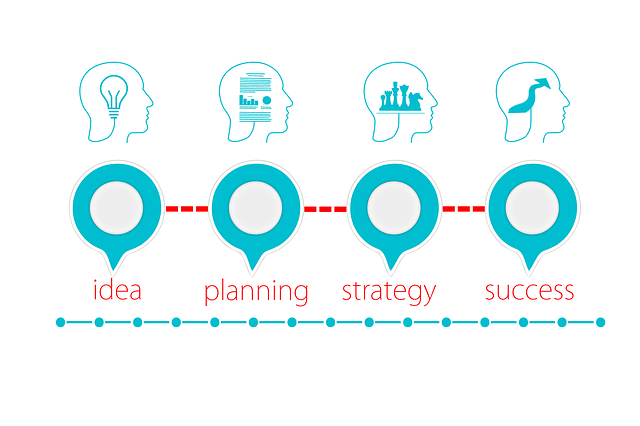

Digital marketing manager

A digital marketing manager oversees SEM and other digital marketing campaigns across multiple channels, including search engines, social media, email, and display advertising. They may work with a team of marketers to develop strategies, set goals, and measure performance.

E-commerce marketer

An e-commerce marketer uses SEM and other digital marketing tactics to promote and sell products online. They may use paid search campaigns to drive traffic to e-commerce websites, optimize product pages, and analyze data to improve conversion rates.

Marketing analyst

A marketing analyst uses data to measure and analyze the effectiveness of SEM and other marketing campaigns. They may use tools like Google Analytics to track website traffic, analyze customer behavior, and develop insights for improving marketing strategies.

Overall, learning SEM can provide individuals with valuable skills and knowledge that are in high demand in the digital marketing industry. By pursuing a career in SEM or related fields, individuals can work in dynamic and fast-paced environments, develop their skills, and make a meaningful impact on the success of businesses and organizations.

Role of Search Engine Marketing in Entrepreneurship and Business Development

Search engine marketing (SEM) can help students in entrepreneurship and business development by providing valuable insights into their target audience and helping them market their businesses effectively.

One way SEM can help students learn about target audiences and customer behavior is through keyword research. By researching the keywords that potential customers are using to search for products or services related to their business, students can gain insights into their customers’ needs and preferences. This information can then be used to develop products and services that meet these needs and create targeted advertising campaigns that resonate with their target audience.

SEM can also provide students with data on customer behavior and preferences. By analyzing search engine data and trends, students can gain insights into what keywords and phrases are driving traffic to their websites and what pages are receiving the most engagement. This information can be used to optimize their website and marketing campaigns to better meet the needs of their target audience.

In terms of marketing their businesses, SEM can be a powerful tool for students. By creating targeted advertising campaigns on platforms like Google AdWords and Bing Ads, students can reach their target audience at the right time and place. By optimizing their website for relevant keywords, they can attract organic traffic and improve their search engine rankings. Additionally, SEM can be used to track conversions and measure the effectiveness of marketing campaigns, allowing students to make data-driven decisions about how to improve their marketing efforts.

Overall, SEM is an essential tool for students in entrepreneurship and business development. By providing insights into target audiences and customer behavior, as well as a powerful means of marketing their businesses, SEM can help students succeed in their entrepreneurial endeavors and stand out in the competitive business landscape.

Conclusion

In today’s digital age, search engine marketing has become an essential tool for businesses and entrepreneurs alike. However, it’s not just professionals who can benefit from SEM – students can also leverage its power to enhance their academic and career pursuits. 

By learning about target audiences, analyzing consumer behavior, and developing marketing strategies, students can gain valuable skills and insights that will serve them well in their future endeavors. Whether pursuing a career in marketing or launching their own business, the benefits of SEM for students are clear. 

So, if you’re a student looking to gain a competitive edge in your studies and career, consider investing in search engine marketing – it’s a smart choice that can pay dividends for years to come.

So if you are a student looking to enhance your skills and stay ahead in the competitive job market, then there is a great deal for you. FluenceTech Academy offers a comprehensive course on digital marketing, including in-depth training on search engine marketing. 

Our expert instructors will guide you through the latest SEM tools and strategies, equipping you with the skills and knowledge to succeed in your future career. Don’t miss out on this opportunity to gain a competitive edge and stand out in your field – enroll in our digital marketing course today!

You may also like to read

7 High-Paying Digital Marketing Jobs You Can Land Right Now

Unlock the Secrets of Content Marketing: A Complete Guide for Mastery